Extremely Rare C17th Oak Tobacco Rasp, in untouched and exceptional ‘museum’ condition!! Beautifully carved both sides with a mystical beasts head as the ‘snuff’ spout. Most likely French and dating from circa 1680-1710. It has its original geometric patterned grater and original steel swivel pin. The colour is untouched and the patina fabulous. Highly collectible and very Rare in this condition. 22 cm’s long.
Snuff taking was a popular pastime in France for the wealthy and fashionable. It was thought by some that a regular dose of snuff could protect against the plague. The tobacco was grated from a solid tobacco roll known as a 'carotte'.
Although tobacco was introduced to Europe in the sixteenth century, the way in which it was used differed greatly from today. A fine tobacco powder known as snuff was inhaled from the back of the hand or the fingertips. Dried tobacco leaves were generally sold in tightly bound bundles (Carotte’s) and, although commercially produced snuff was available, many snuffers preferred to make their own.
Tobacco’Rasps’ come in many guises, Ivory (mainly from Dieppe) precious Exotic woods (Ballast) are usually highly carved and would have been for the very wealthy, snuff taking was an expensive pastime.
P. O. A.
Extremely Rare C17th Oak Tobacco Rasp, in untouched and exceptional ‘museum’ condition!! Beautifully carved both sides with a mystical beasts head as the ‘snuff’ spout. Most likely French and dating from circa 1680-1710. It has its original geometric patterned grater and original steel swivel pin. The colour is untouched and the patina fabulous. Highly collectible and very Rare in this condition. 22 cm’s long.
Snuff taking was a popular pastime in France for the wealthy and fashionable. It was thought by some that a regular dose of snuff could protect against the plague. The tobacco was grated from a solid tobacco roll known as a 'carotte'.
Although tobacco was introduced to Europe in the sixteenth century, the way in which it was used differed greatly from today. A fine tobacco powder known as snuff was inhaled from the back of the hand or the fingertips. Dried tobacco leaves were generally sold in tightly bound bundles (Carotte’s) and, although commercially produced snuff was available, many snuffers preferred to make their own.
Tobacco’Rasps’ come in many guises, Ivory (mainly from Dieppe) precious Exotic woods (Ballast) are usually highly carved and would have been for the very wealthy, snuff taking was an expensive pastime.
P. O. A.
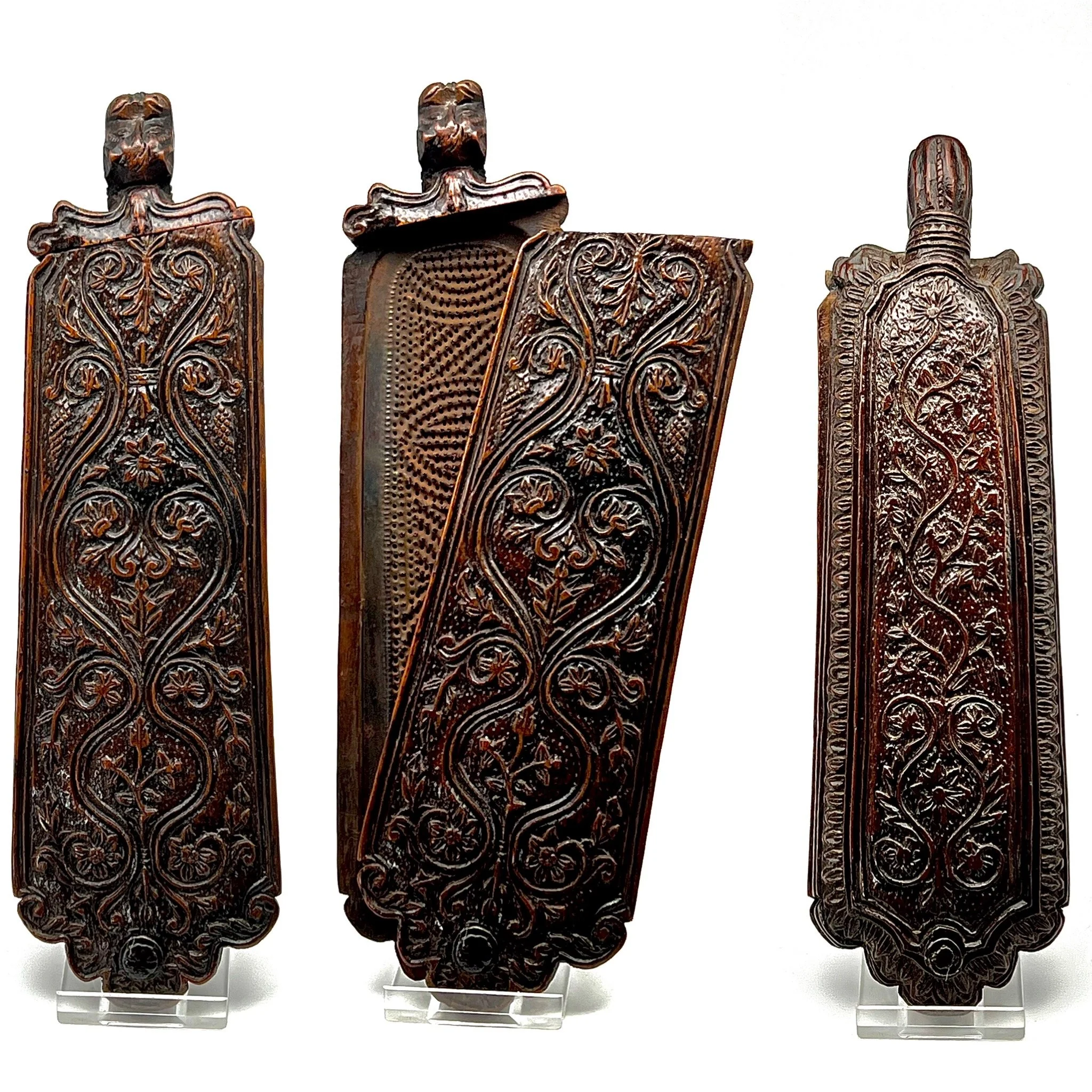 Image 1 of 15
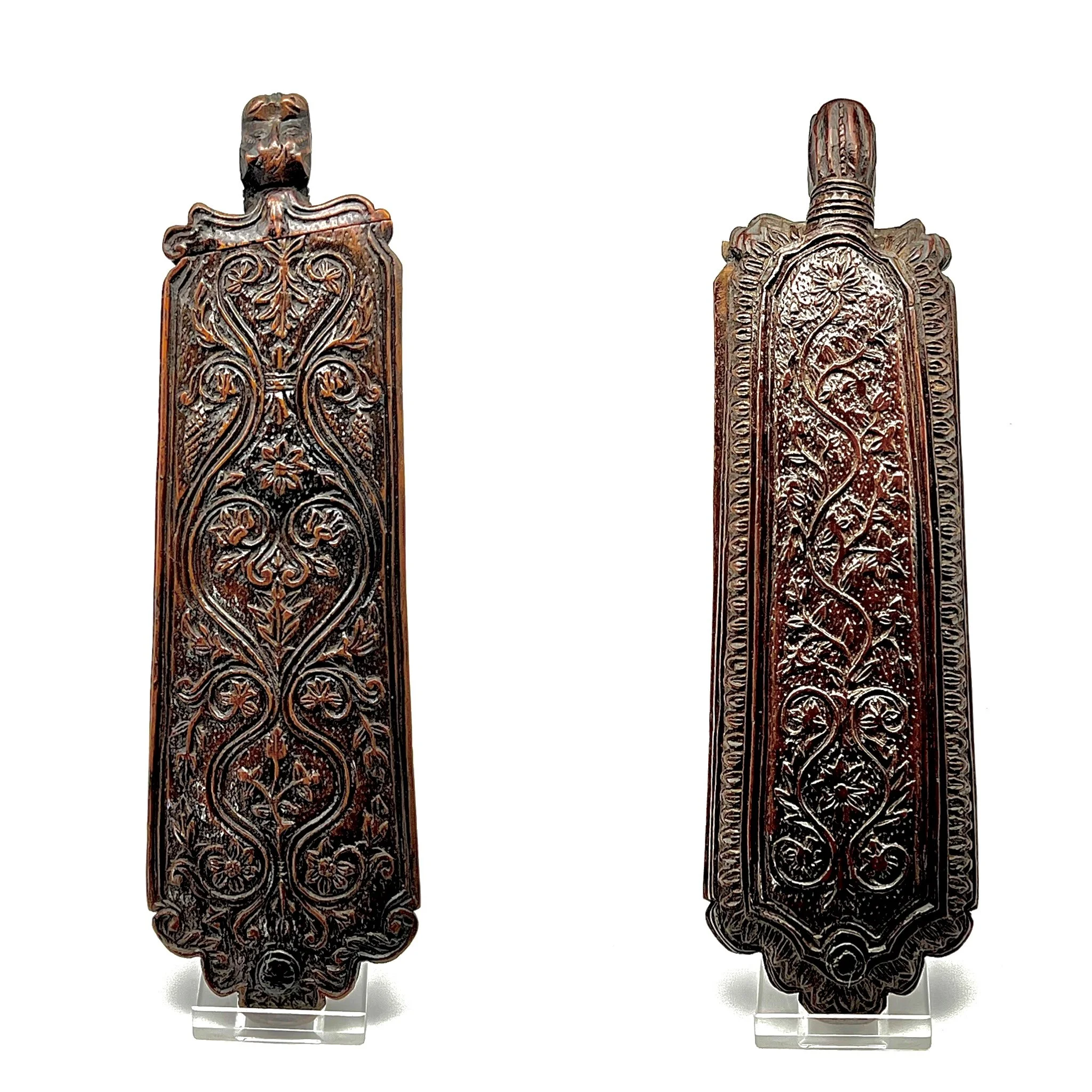 Image 2 of 15
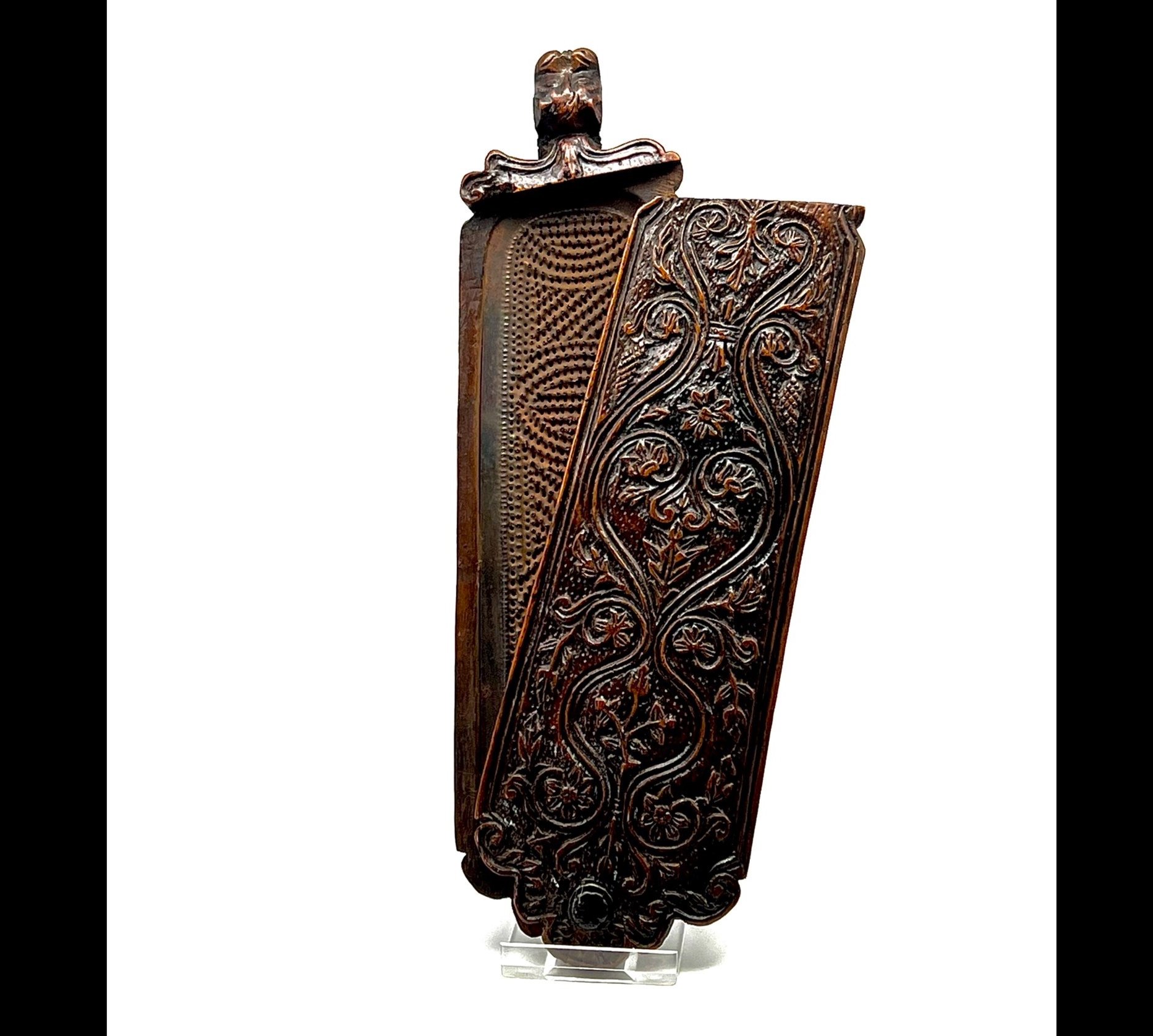 Image 3 of 15
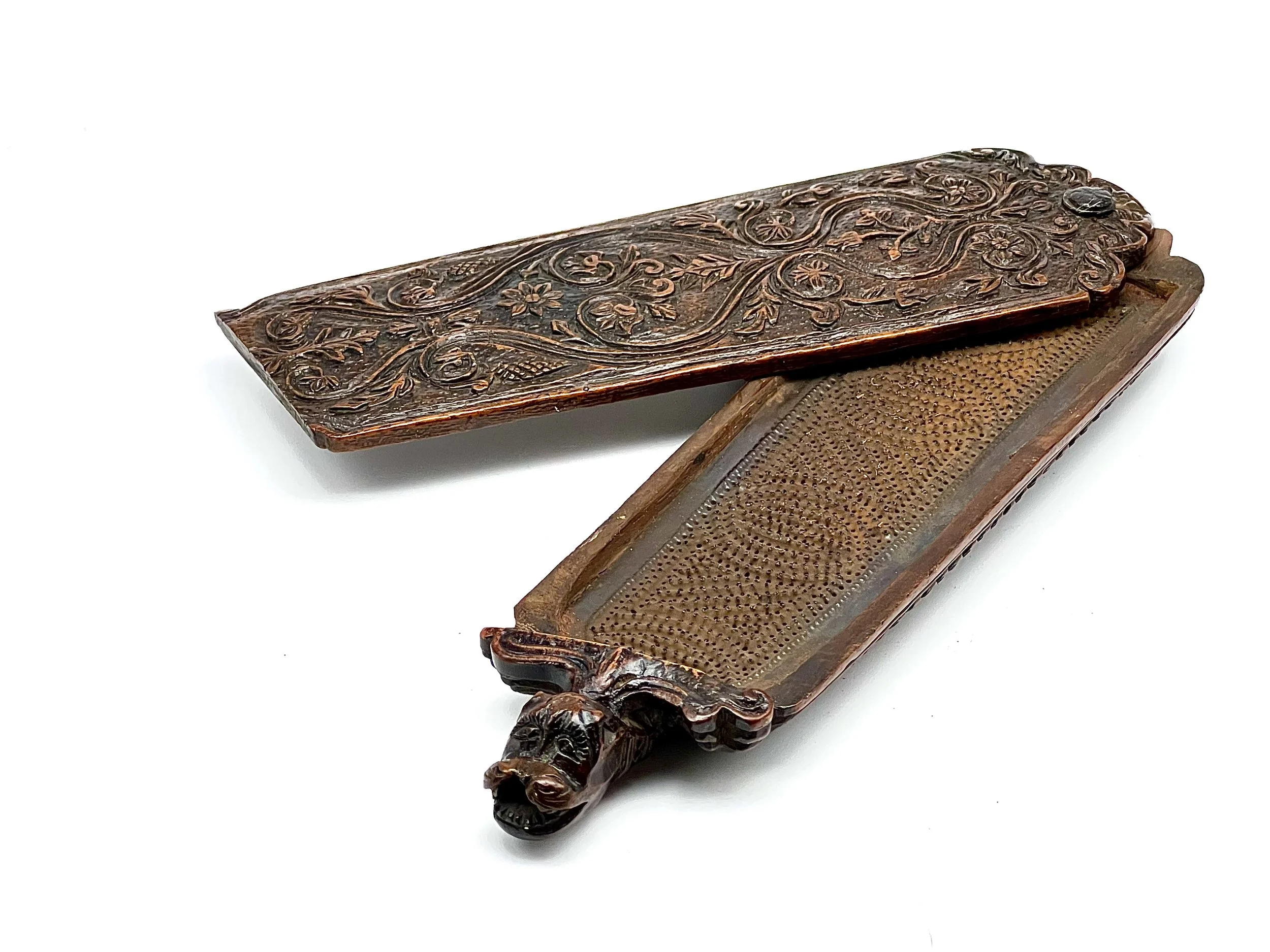 Image 4 of 15
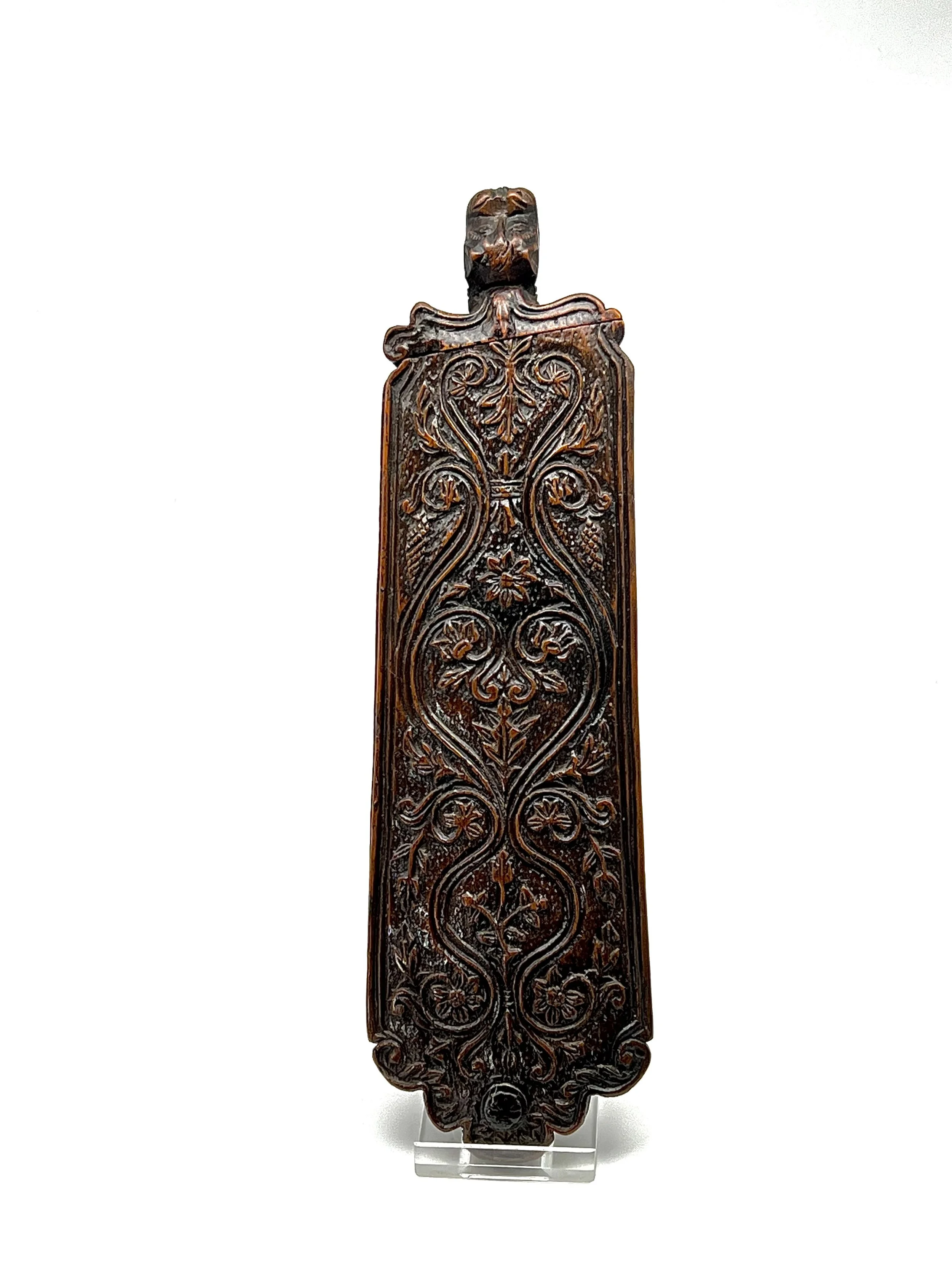 Image 5 of 15
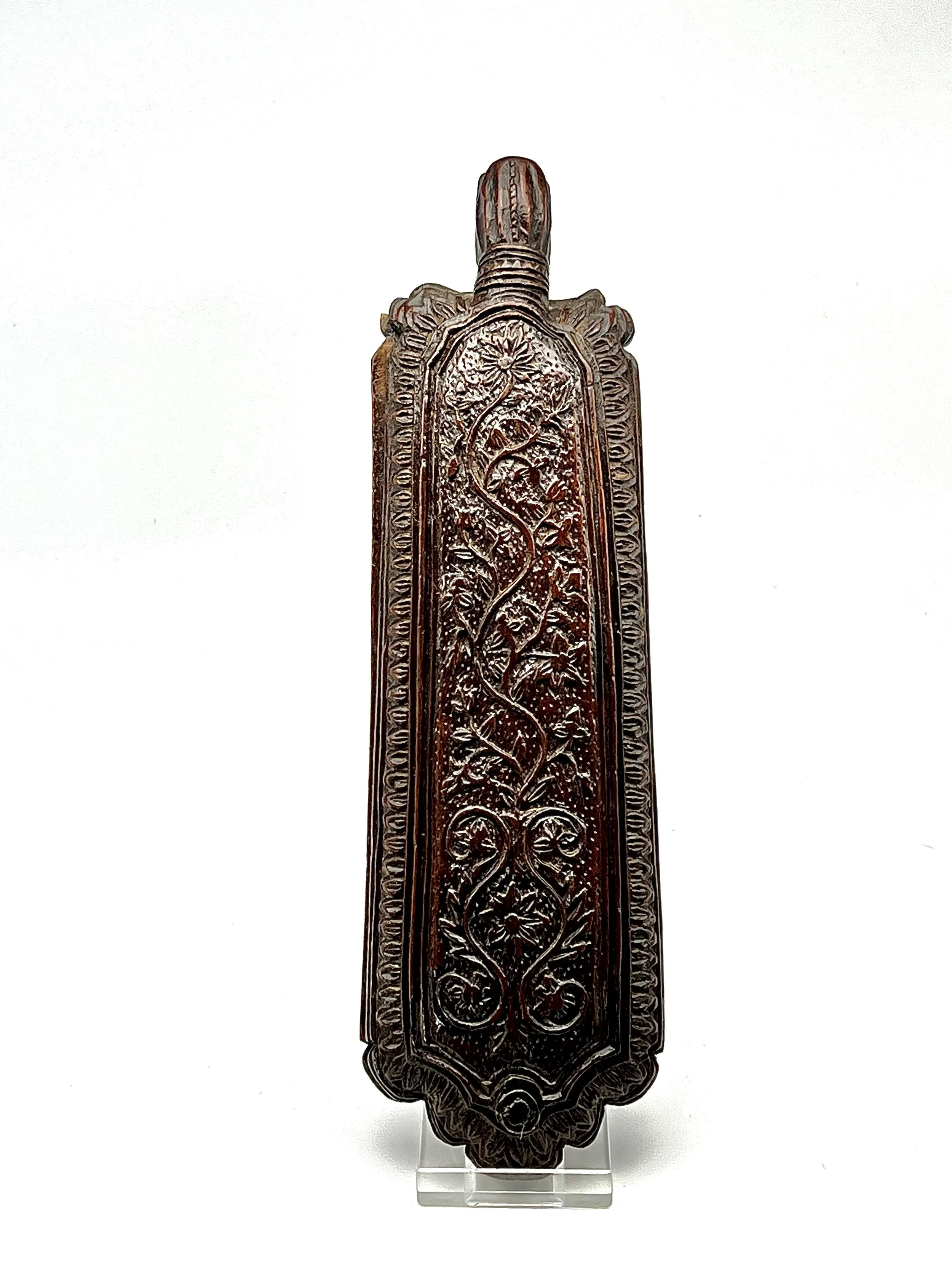 Image 6 of 15
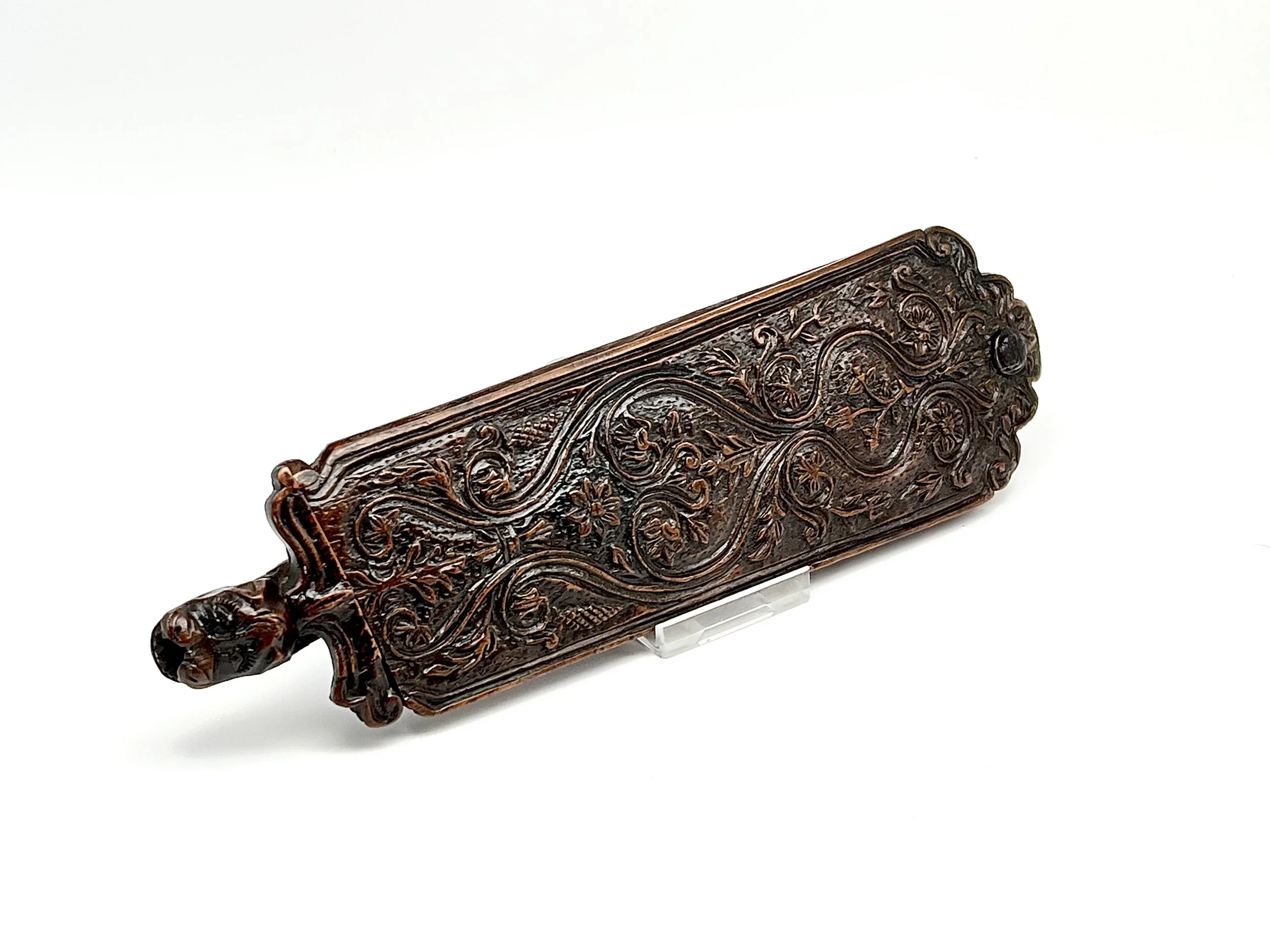 Image 7 of 15
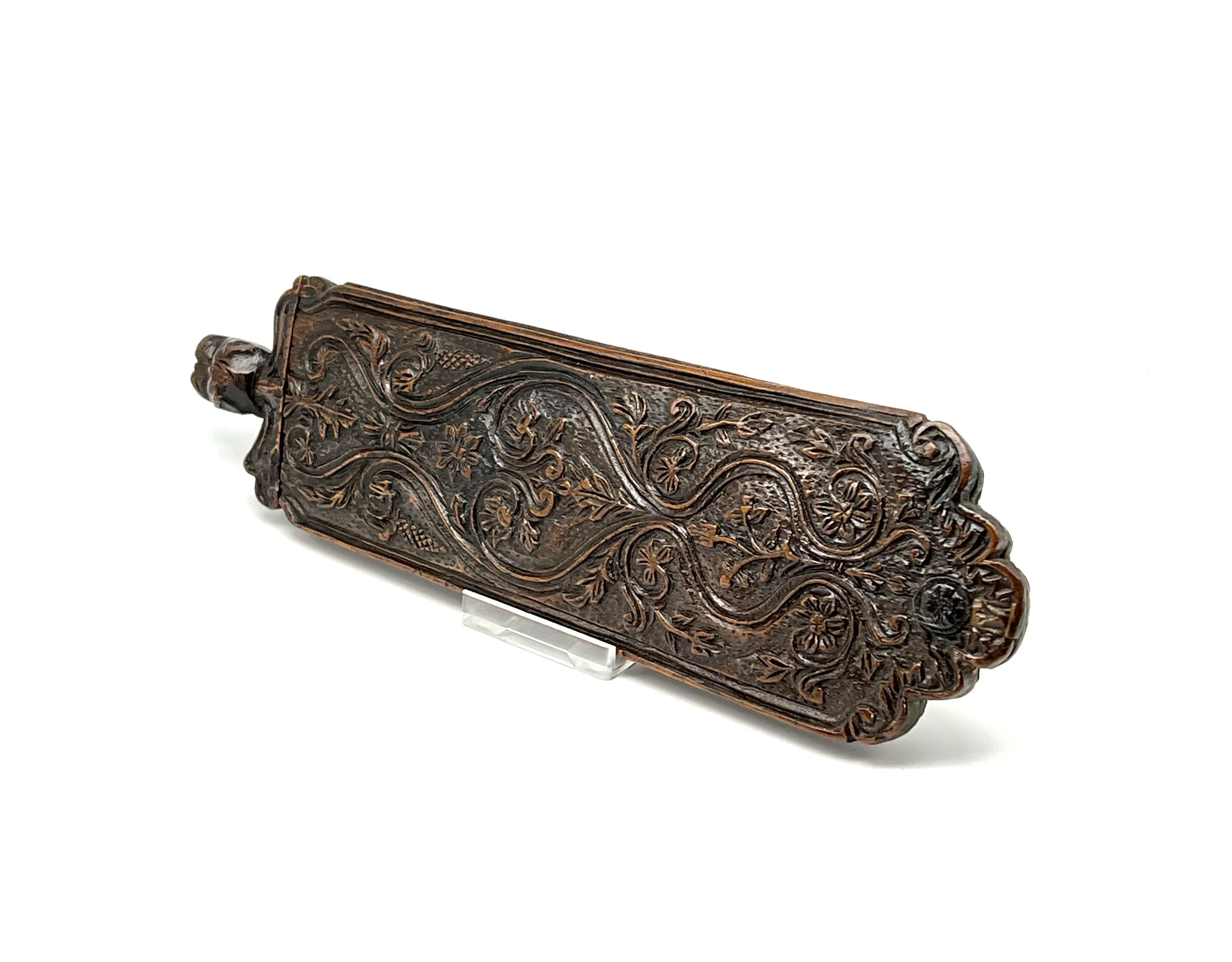 Image 8 of 15
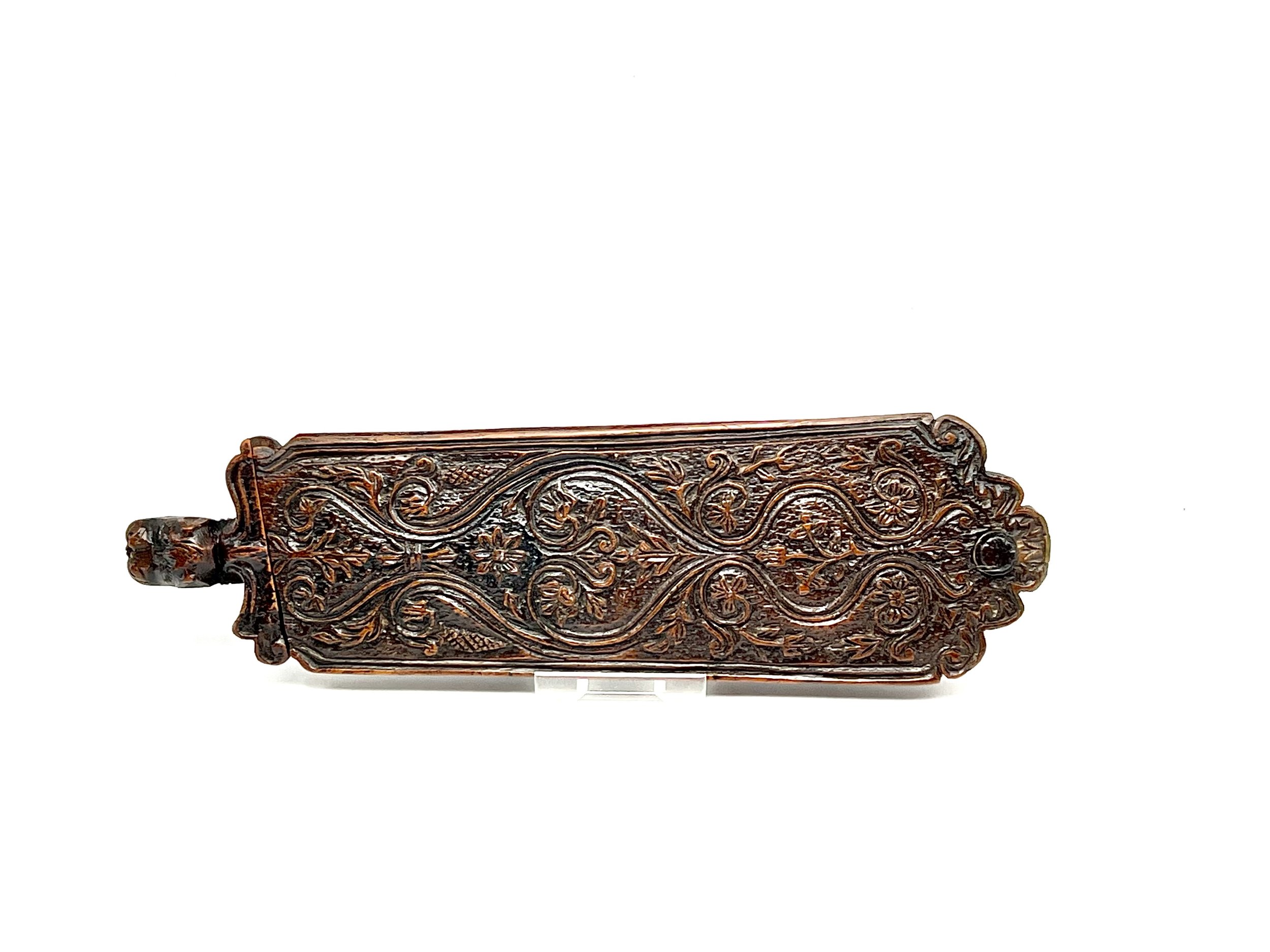 Image 9 of 15
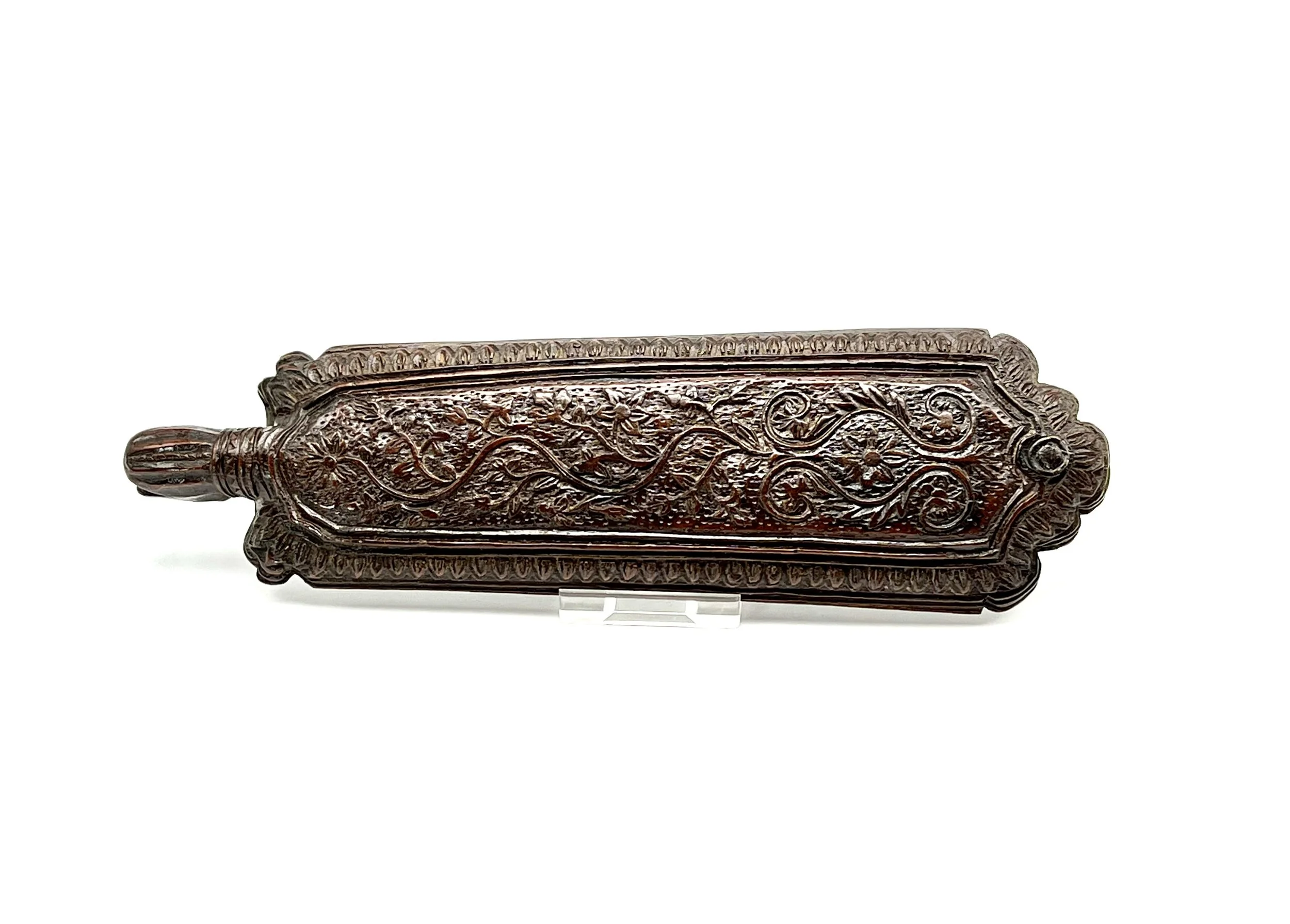 Image 10 of 15
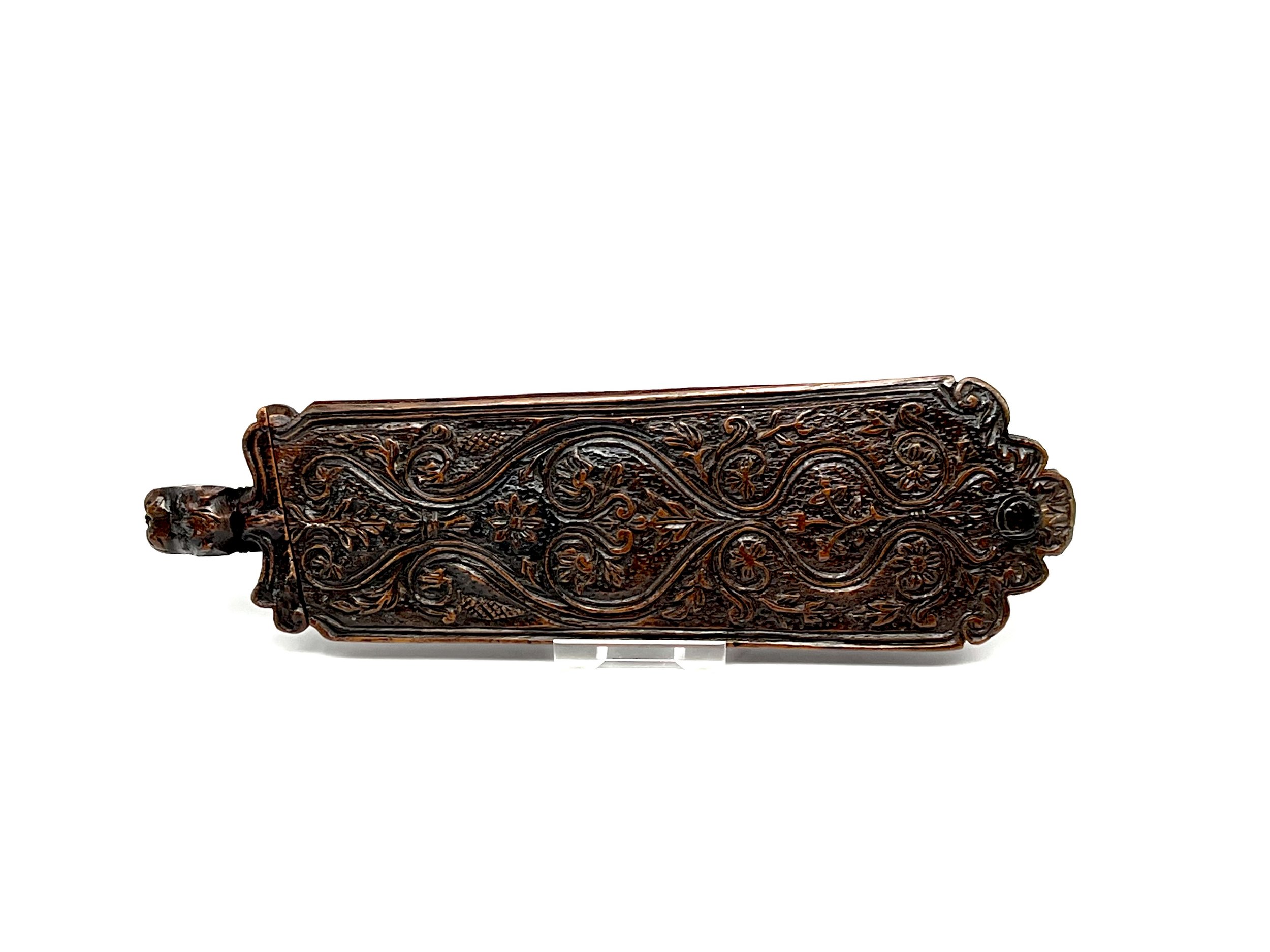 Image 11 of 15
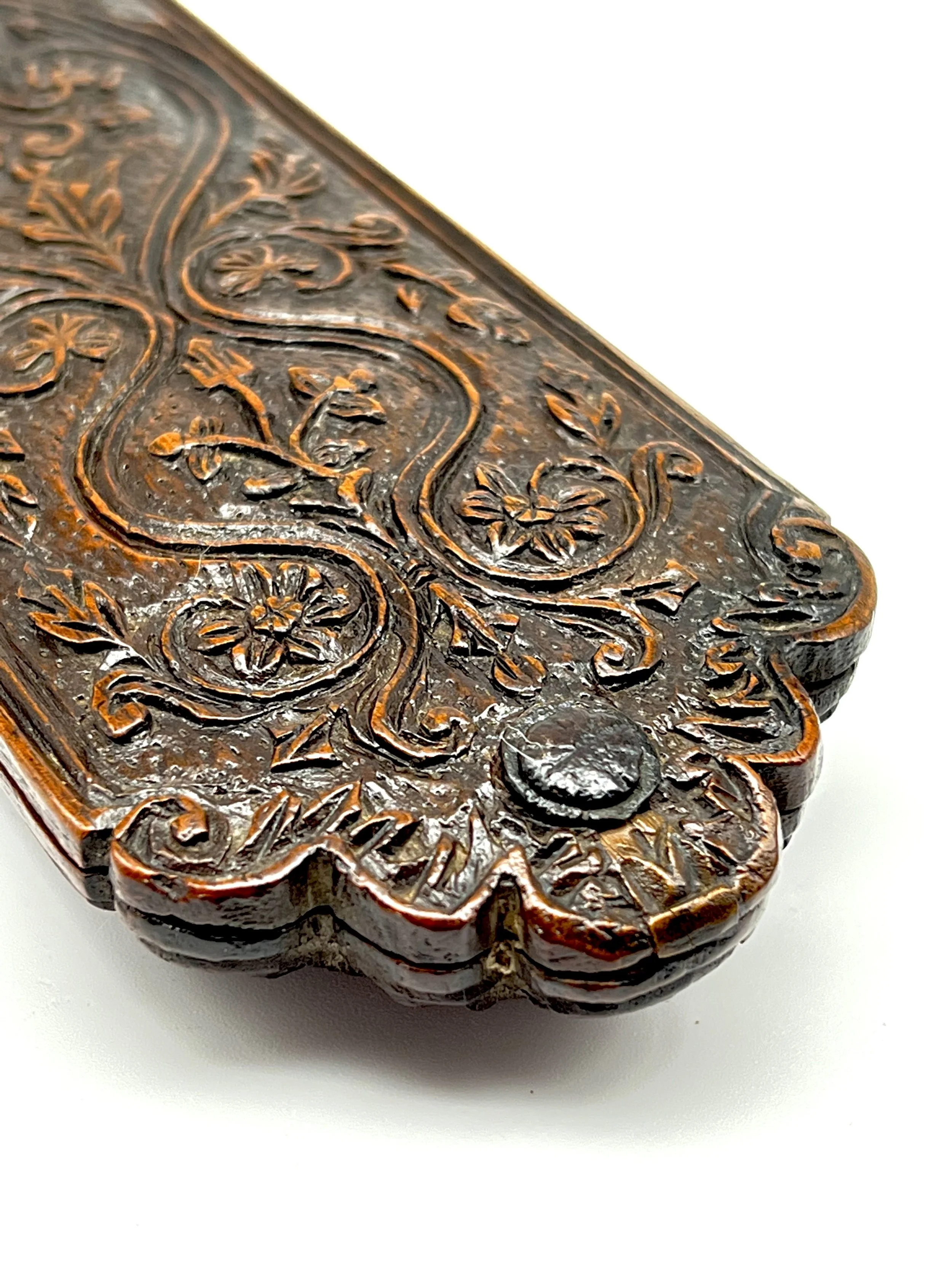 Image 12 of 15
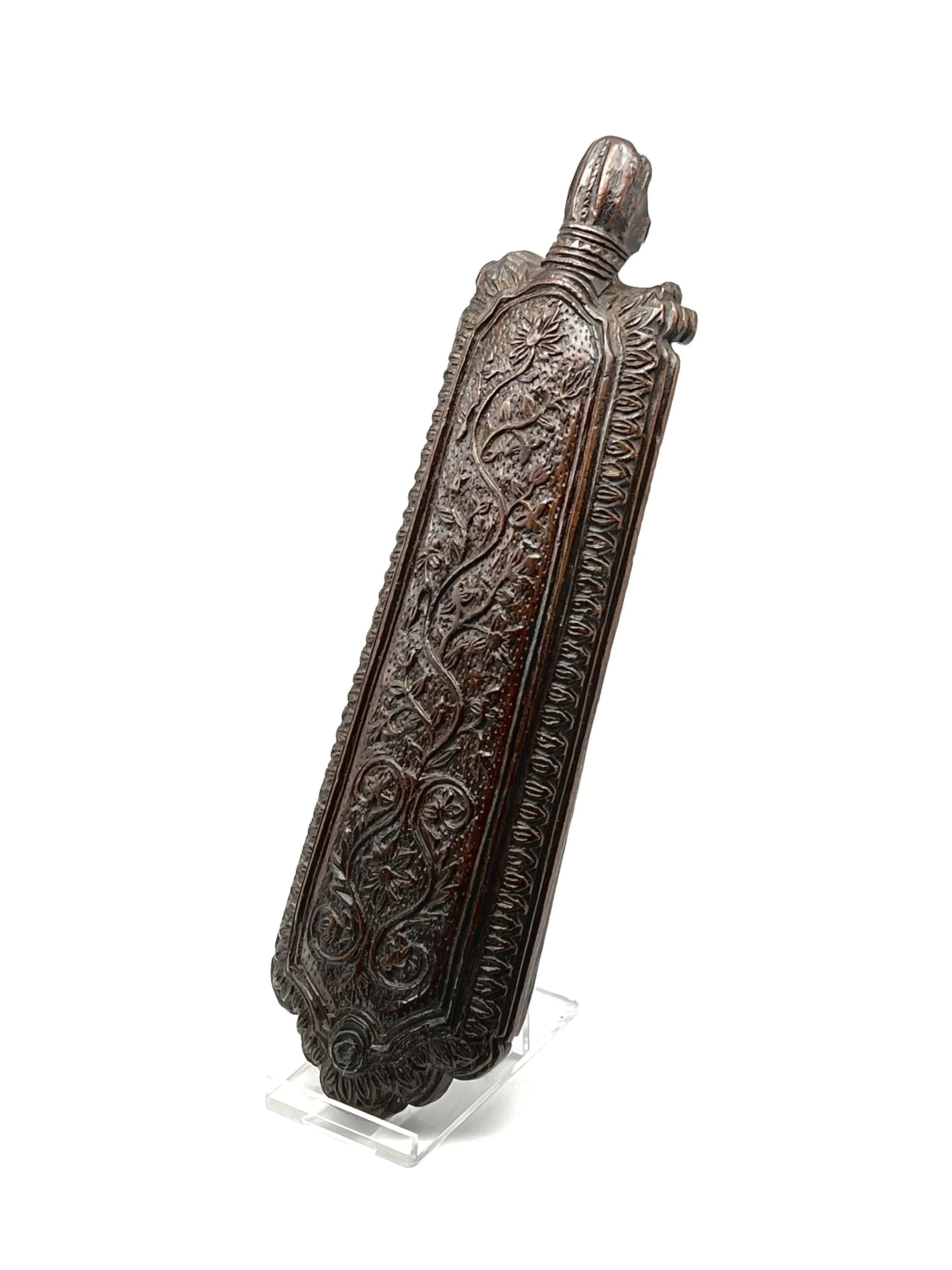 Image 13 of 15
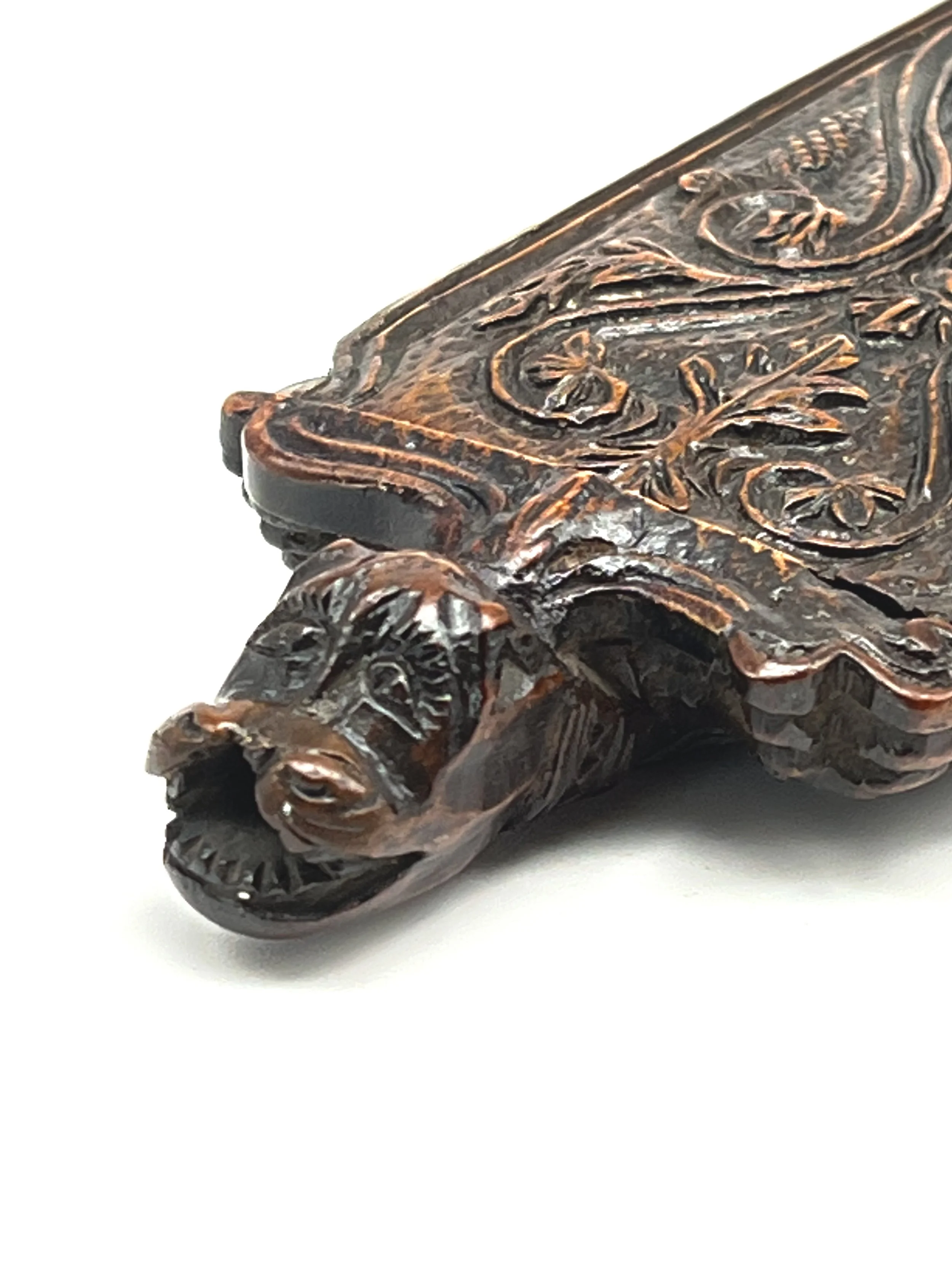 Image 14 of 15
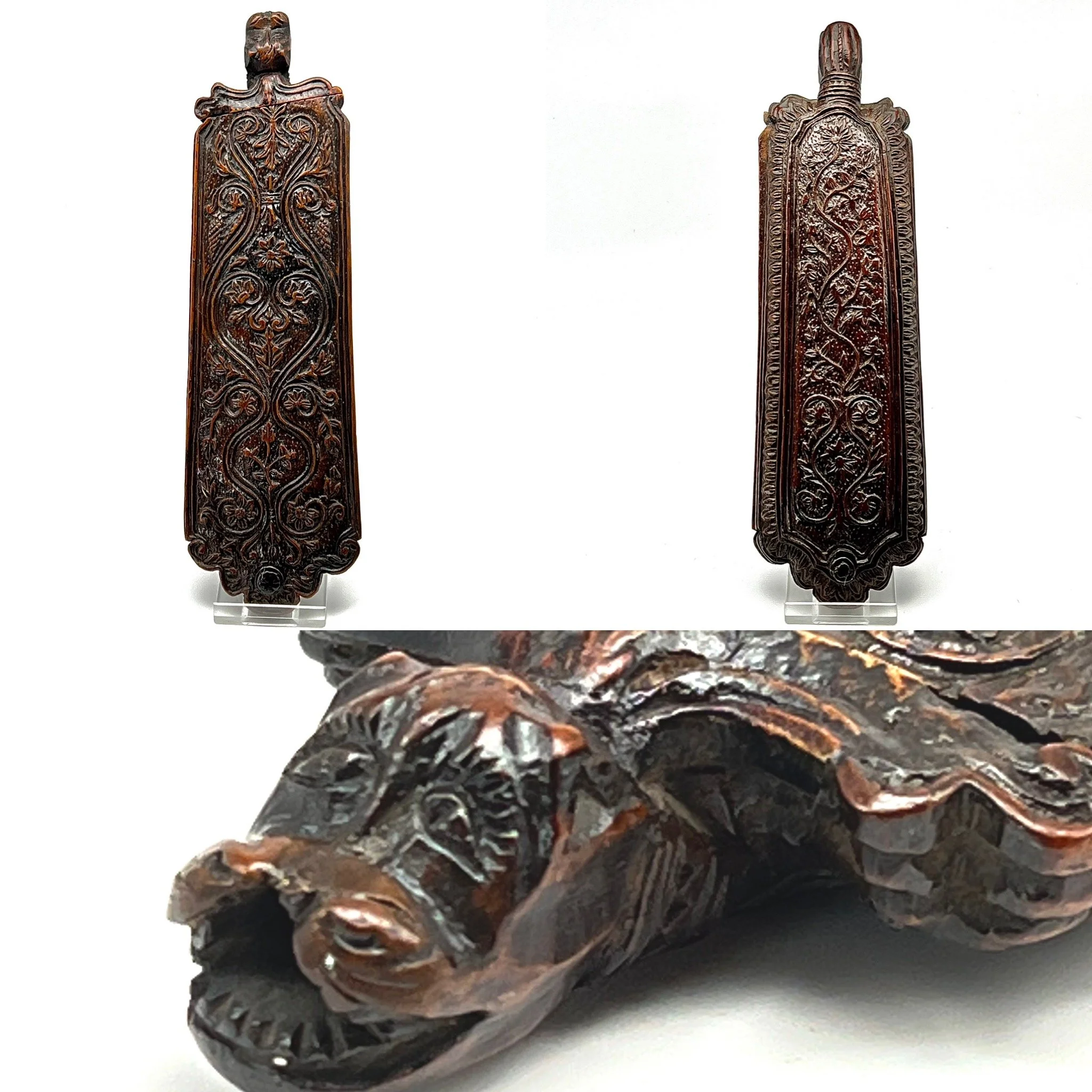 Image 15 of 15