A late C17th small yet stunning ‘Love Token’ Ladies Patch Box made from Sainte-Lucie wood. Probably carved for a loved one from offcuts, the whole of the box is covered in carving with even scratch carving of vines and flowers coming from a central heart in the interior. On the Domed top we see The Goddess and Hunter Diana with Her bow and hunting dog on a leash of chain pursuing a deer. The other surfaces of the box including the underside feature more flowers, vines and hearts, including the ends. The box is hinged by two beautiful tiny steel hinges and the front held closed by two superb steel hook and eye catches. The box, I believe would have held Ladies patches, a fashion in 17th and 18th Centuries where Women covered blemishes and unsightly poke marks with small patches. It became popular to use playing card suits such as Diamonds, Hearts or clubs and spades………I believe this box to date from Circa 1660-80 with the style of hinge and internal decoration. Being only 8 cm’s long it would have fitted easily in a bag or pocket. An amazing survivor…….
'Sans Celle Cy: Les Tois Libré'?
NB:
This type of small rectangular box known as Bois de Bagard, was produced in Lorraine at the end of the 17th century and into the 18th century. It is a type of cherry wood with a reddish tone and fine grain called Saint-Lucie found in the regional forest of Sampigney-en-Barrois, now destroyed. The term Bois de Bagard became associated with these objects through Cesar Bagard (1620-1704), Court Sculptor to Duke Charles IV de Lorraine, who lived and worked in Nancy during the reign of Louis XIV. Bagard has been incorrectly linked with the production of these wares, which were more likely produced by a family of Nancy sculptors by the name of Foulon. A document dated 1751 by the Benedictine monk Dom Calmet stated that “Many small objects are made out of bois de Sainte-Lucie in Lorraine which are exported to foreign parts. And this occupies numerous workers. The Foulons were famed for this and produced many works for the Dauphin."
A late C17th small yet stunning ‘Love Token’ Ladies Patch Box made from Sainte-Lucie wood. Probably carved for a loved one from offcuts, the whole of the box is covered in carving with even scratch carving of vines and flowers coming from a central heart in the interior. On the Domed top we see The Goddess and Hunter Diana with Her bow and hunting dog on a leash of chain pursuing a deer. The other surfaces of the box including the underside feature more flowers, vines and hearts, including the ends. The box is hinged by two beautiful tiny steel hinges and the front held closed by two superb steel hook and eye catches. The box, I believe would have held Ladies patches, a fashion in 17th and 18th Centuries where Women covered blemishes and unsightly poke marks with small patches. It became popular to use playing card suits such as Diamonds, Hearts or clubs and spades………I believe this box to date from Circa 1660-80 with the style of hinge and internal decoration. Being only 8 cm’s long it would have fitted easily in a bag or pocket. An amazing survivor…….
'Sans Celle Cy: Les Tois Libré'?
NB:
This type of small rectangular box known as Bois de Bagard, was produced in Lorraine at the end of the 17th century and into the 18th century. It is a type of cherry wood with a reddish tone and fine grain called Saint-Lucie found in the regional forest of Sampigney-en-Barrois, now destroyed. The term Bois de Bagard became associated with these objects through Cesar Bagard (1620-1704), Court Sculptor to Duke Charles IV de Lorraine, who lived and worked in Nancy during the reign of Louis XIV. Bagard has been incorrectly linked with the production of these wares, which were more likely produced by a family of Nancy sculptors by the name of Foulon. A document dated 1751 by the Benedictine monk Dom Calmet stated that “Many small objects are made out of bois de Sainte-Lucie in Lorraine which are exported to foreign parts. And this occupies numerous workers. The Foulons were famed for this and produced many works for the Dauphin."
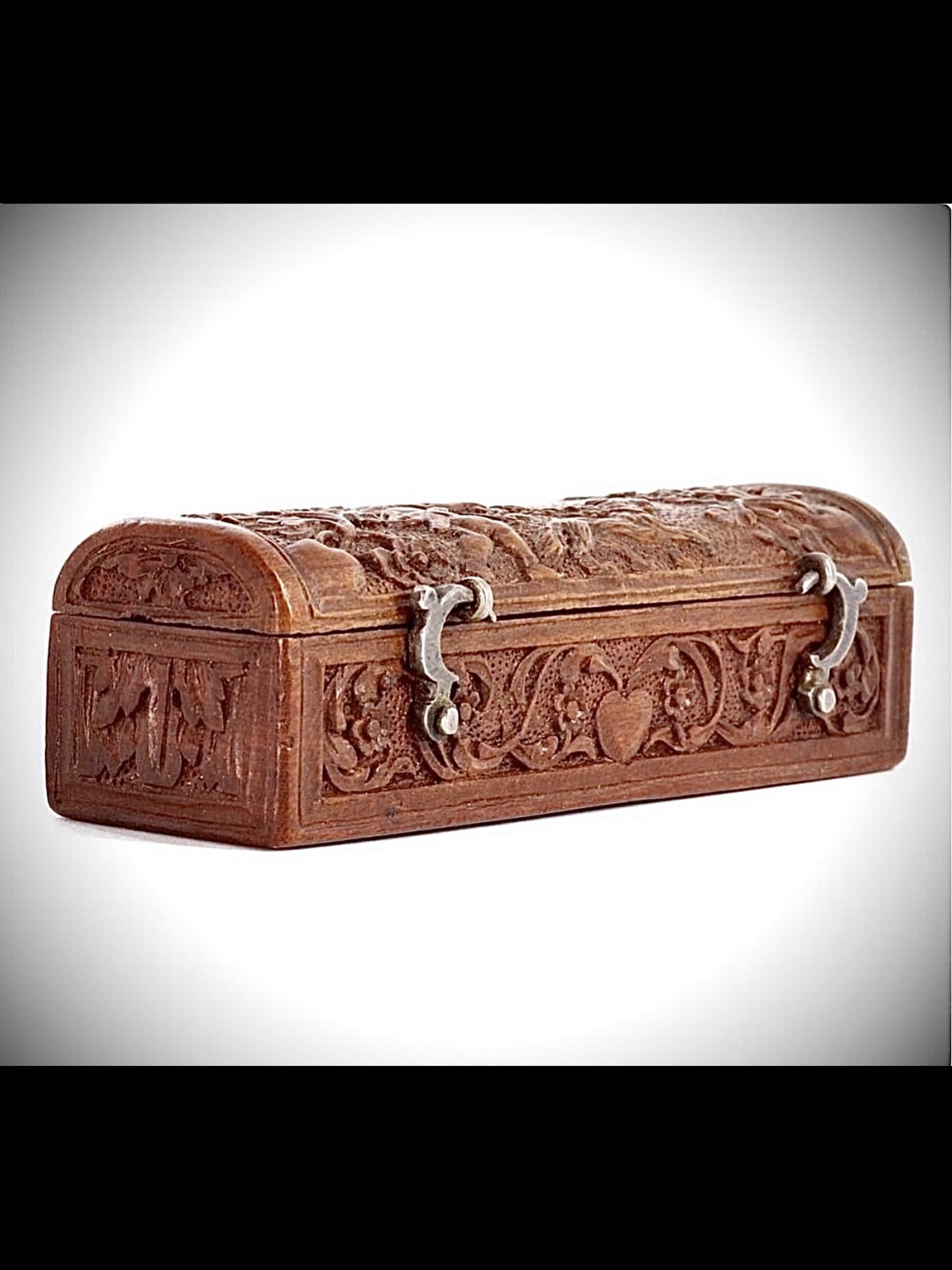 Image 1 of 9
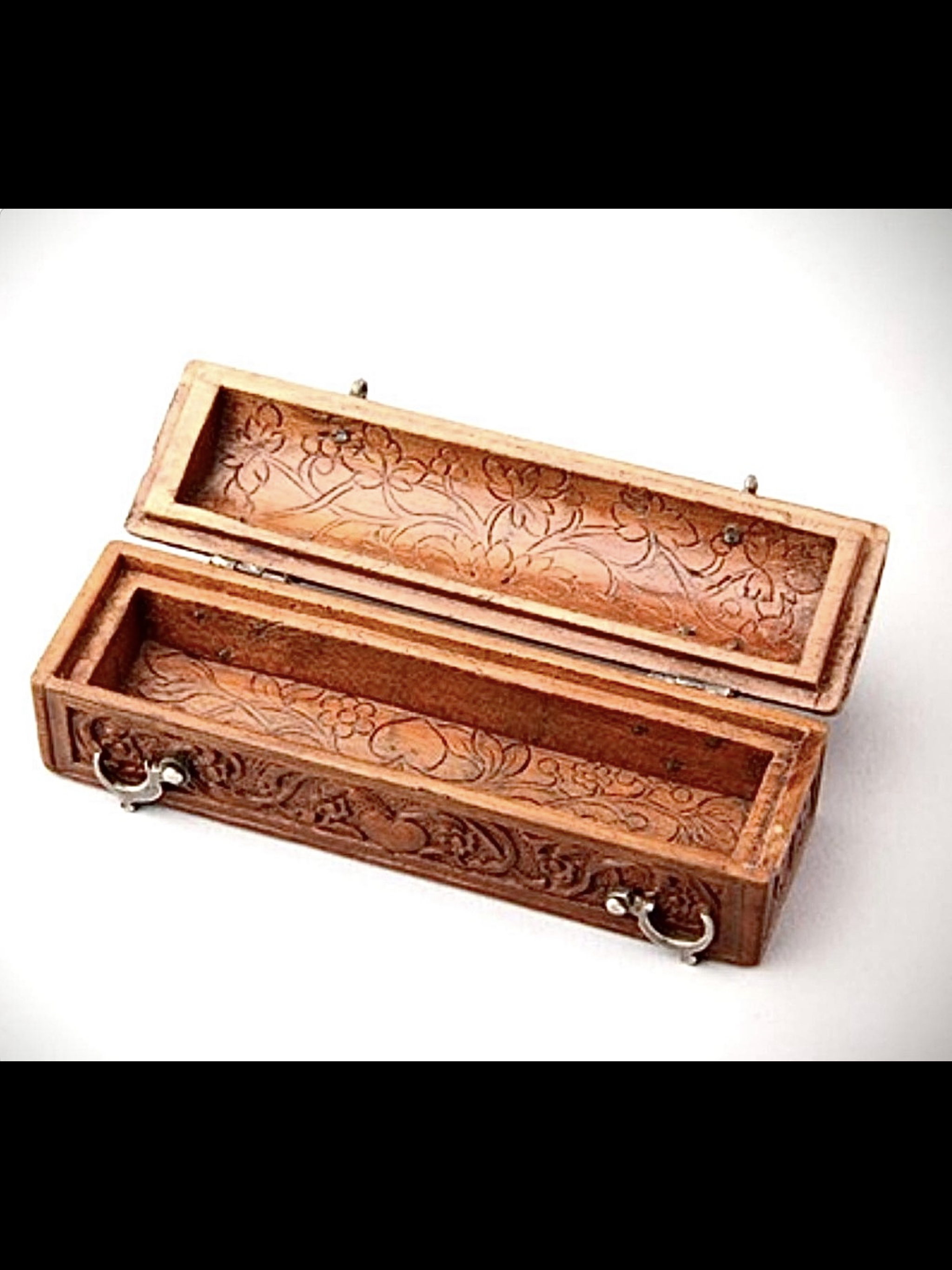 Image 2 of 9
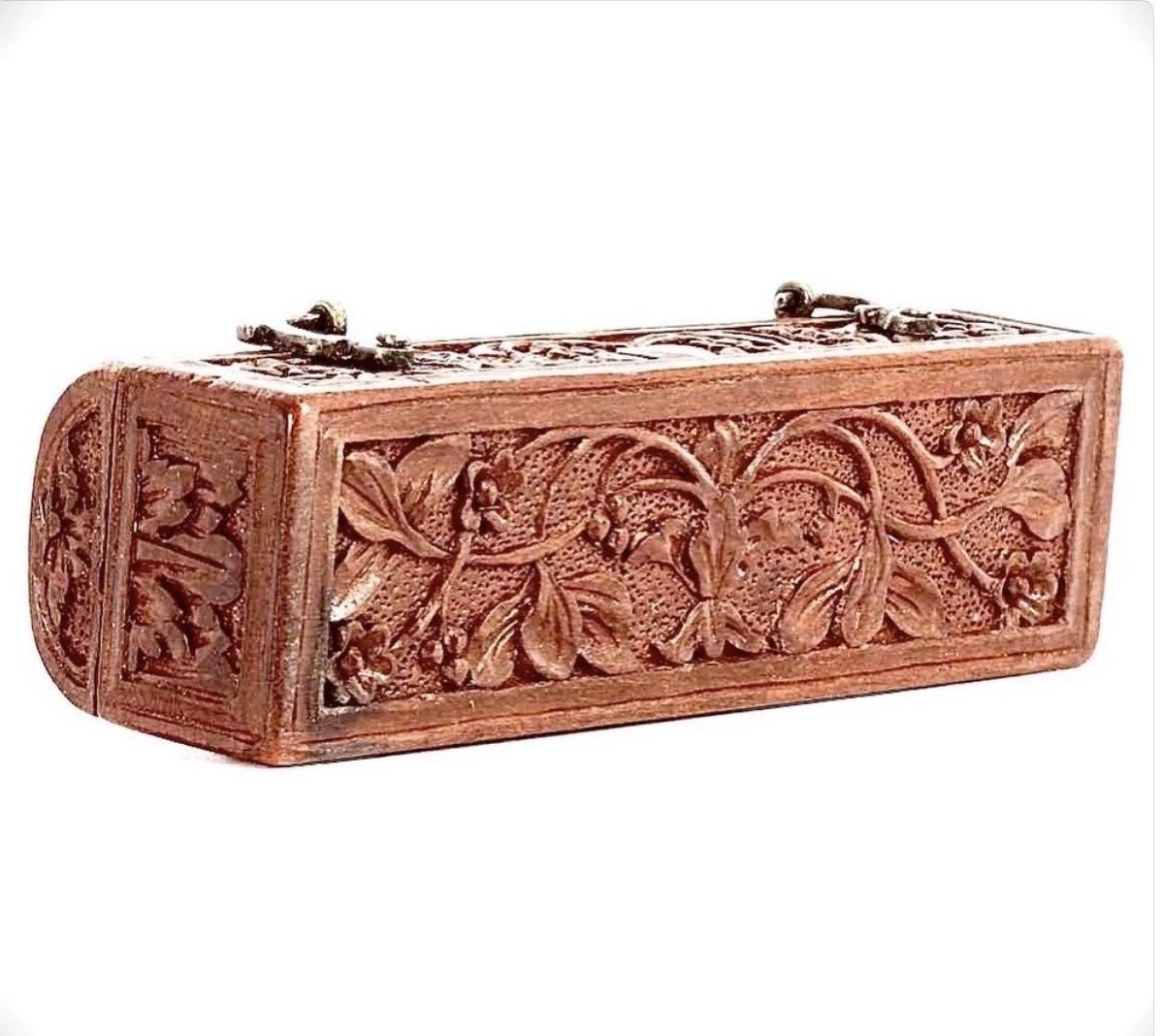 Image 3 of 9
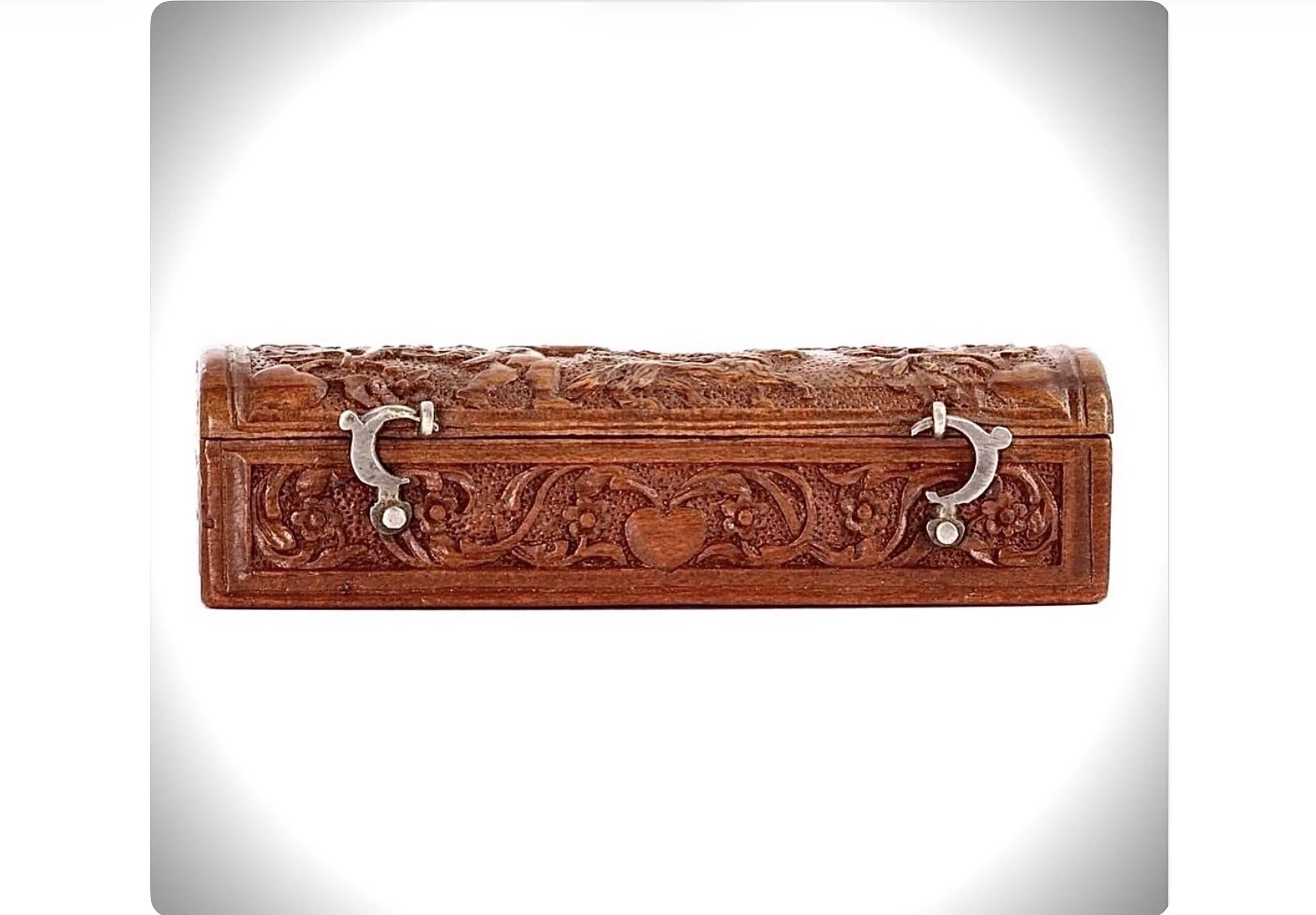 Image 4 of 9
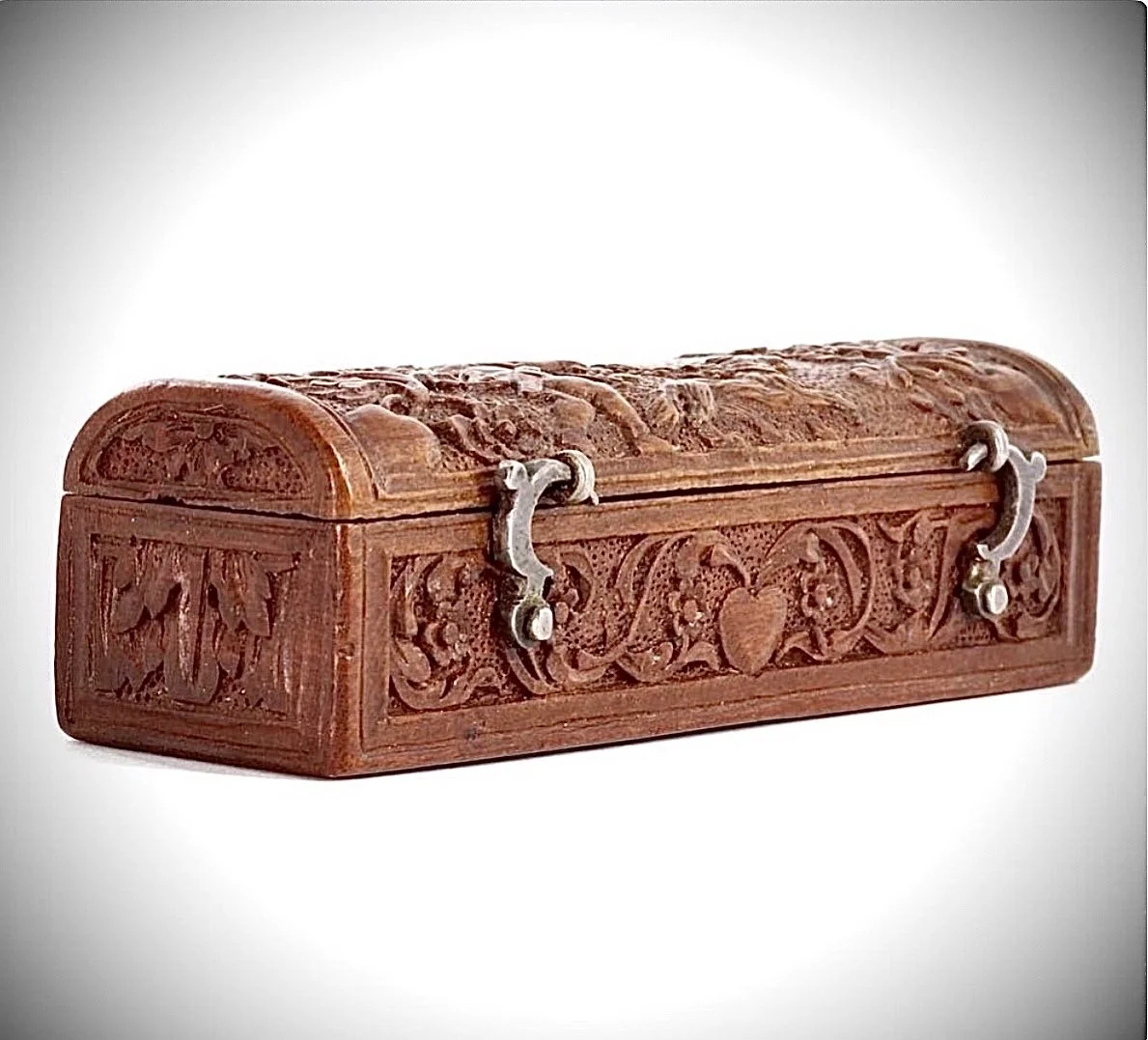 Image 5 of 9
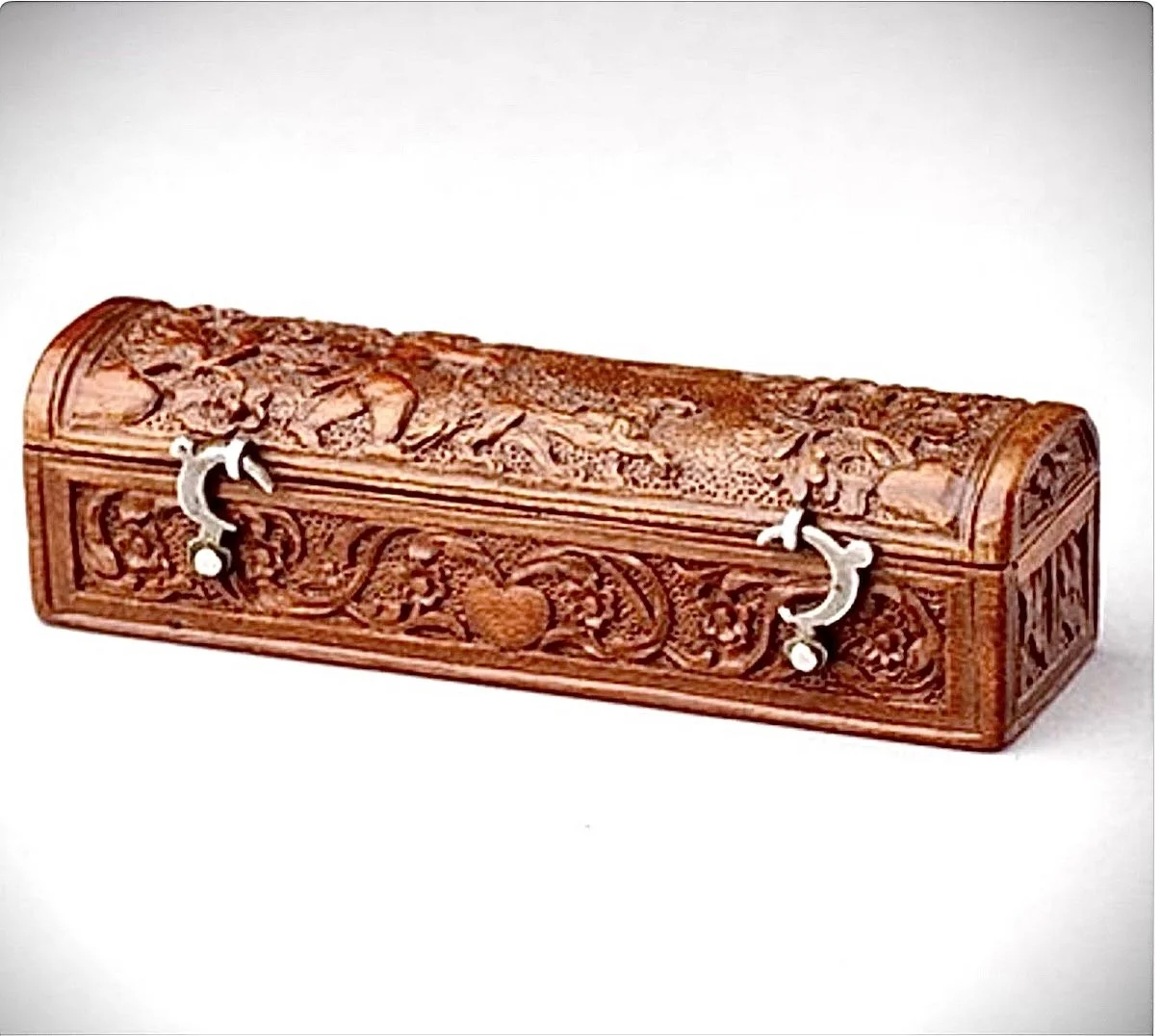 Image 6 of 9
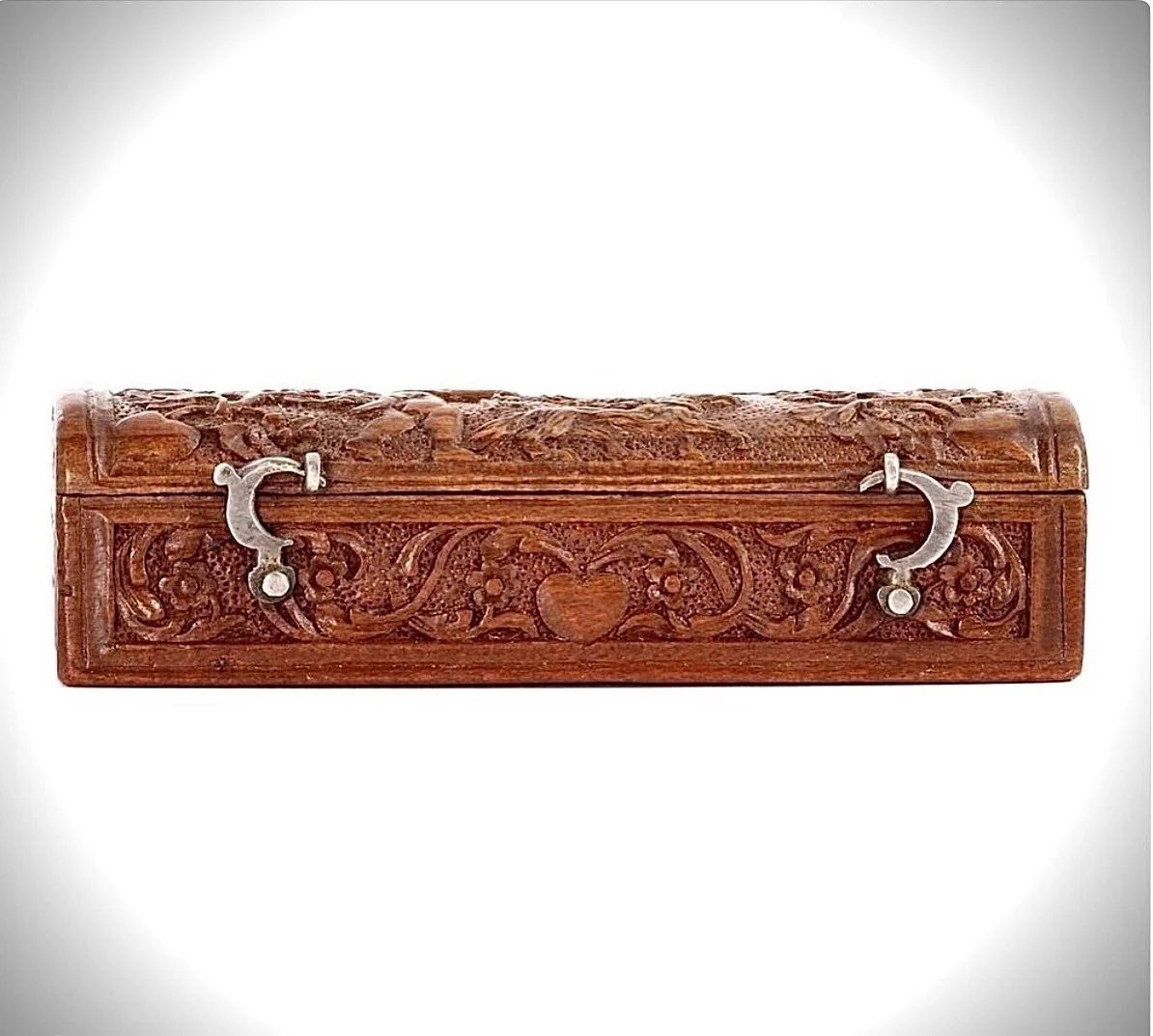 Image 7 of 9
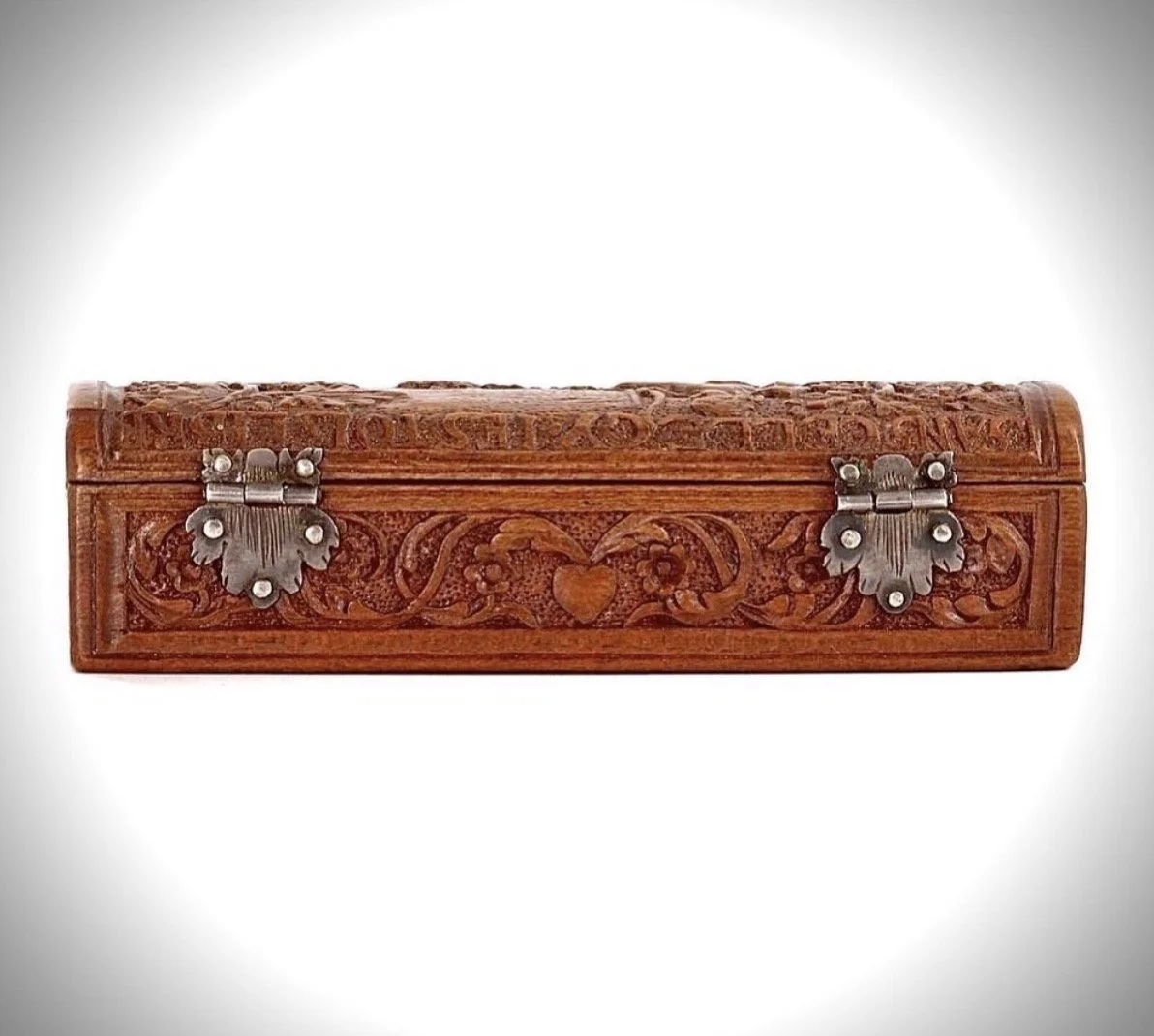 Image 8 of 9
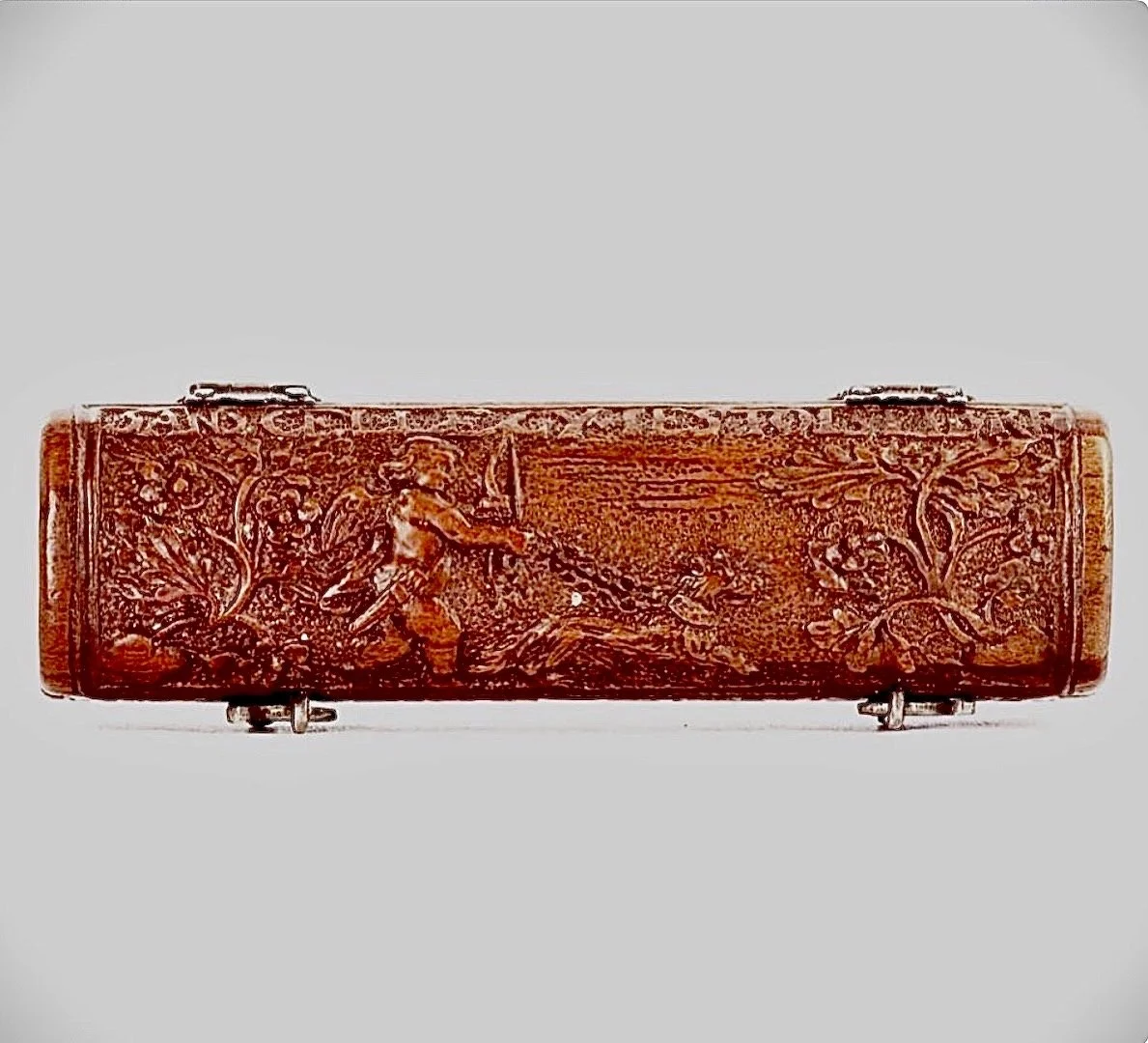 Image 9 of 9