Exceptional 19th Century Satirical ‘John Bull’ Boxwood snuffbox. One of ‘the’ best figural snuffboxes I’ve ever seen. The bulldog head with polychrome.
In totally original and untouched condition with fabulous colour and patina. Circa 1840-60
11 cm’s tall
John Bull first appeared in 1712, and like other figures was portrayed mostly in animal form, as a bull or sometimes a bulldog, until around 1784, when he too took on human form as a downtrodden and helpless member of the disfranchised masses, suffering under heavy taxation and the burdens of government expenditure. Later, during the war against revolutionary France, he developed into a figure who could also represent the interests and aspirations of the middle classes. He became the national symbol of loyalty to king and country, and of resistance to French aggression. He was the ordinary man in the street, who would fight Napoleon with his bare hands, if necessary. By the 1800s he was a more assertive figure in domestic politics as well, prepared to criticise the royal family and the government, giving those outside the traditional political process a voice.
Exceptional 19th Century Satirical ‘John Bull’ Boxwood snuffbox. One of ‘the’ best figural snuffboxes I’ve ever seen. The bulldog head with polychrome.
In totally original and untouched condition with fabulous colour and patina. Circa 1840-60
11 cm’s tall
John Bull first appeared in 1712, and like other figures was portrayed mostly in animal form, as a bull or sometimes a bulldog, until around 1784, when he too took on human form as a downtrodden and helpless member of the disfranchised masses, suffering under heavy taxation and the burdens of government expenditure. Later, during the war against revolutionary France, he developed into a figure who could also represent the interests and aspirations of the middle classes. He became the national symbol of loyalty to king and country, and of resistance to French aggression. He was the ordinary man in the street, who would fight Napoleon with his bare hands, if necessary. By the 1800s he was a more assertive figure in domestic politics as well, prepared to criticise the royal family and the government, giving those outside the traditional political process a voice.
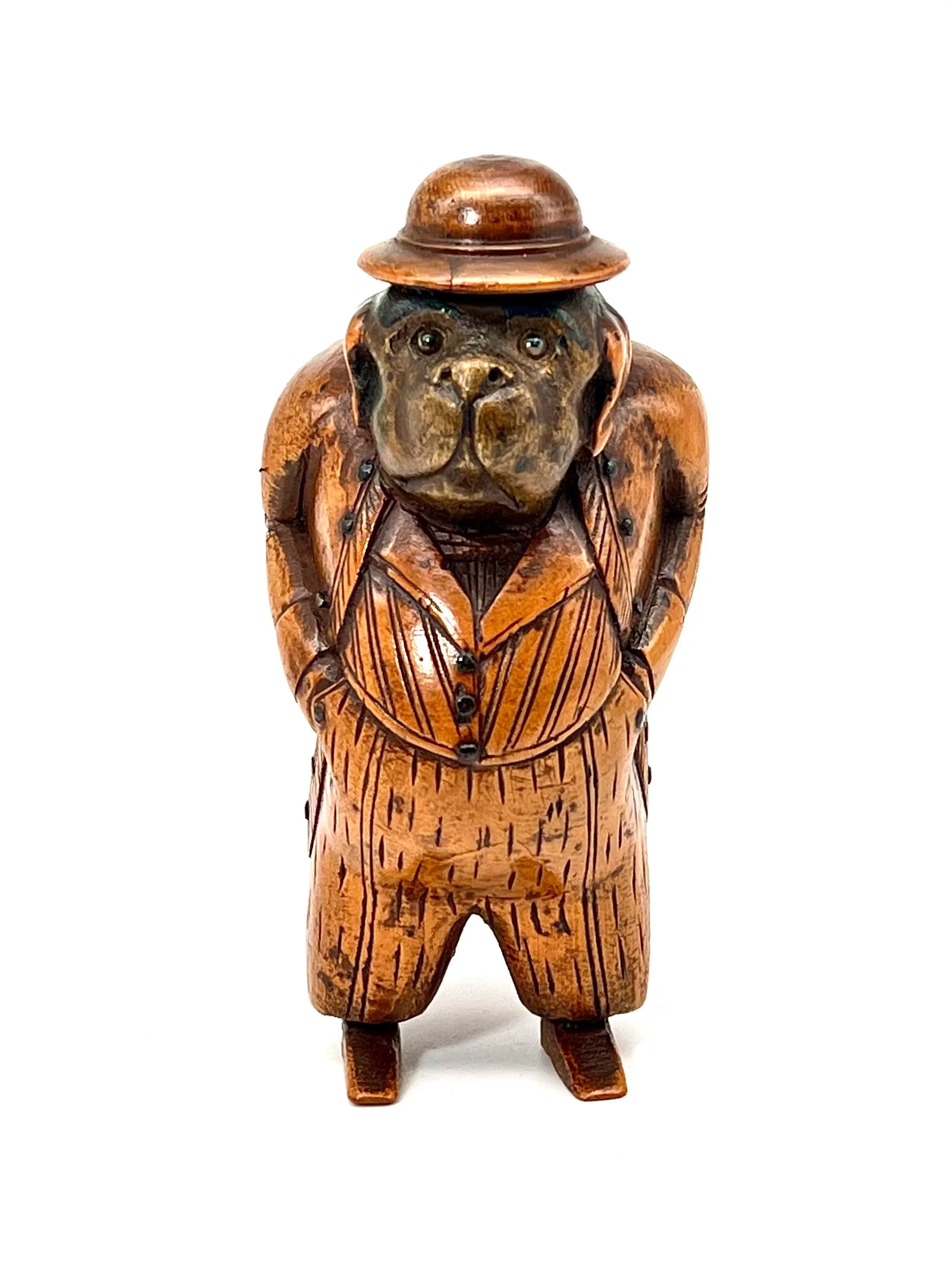 Image 1 of 10
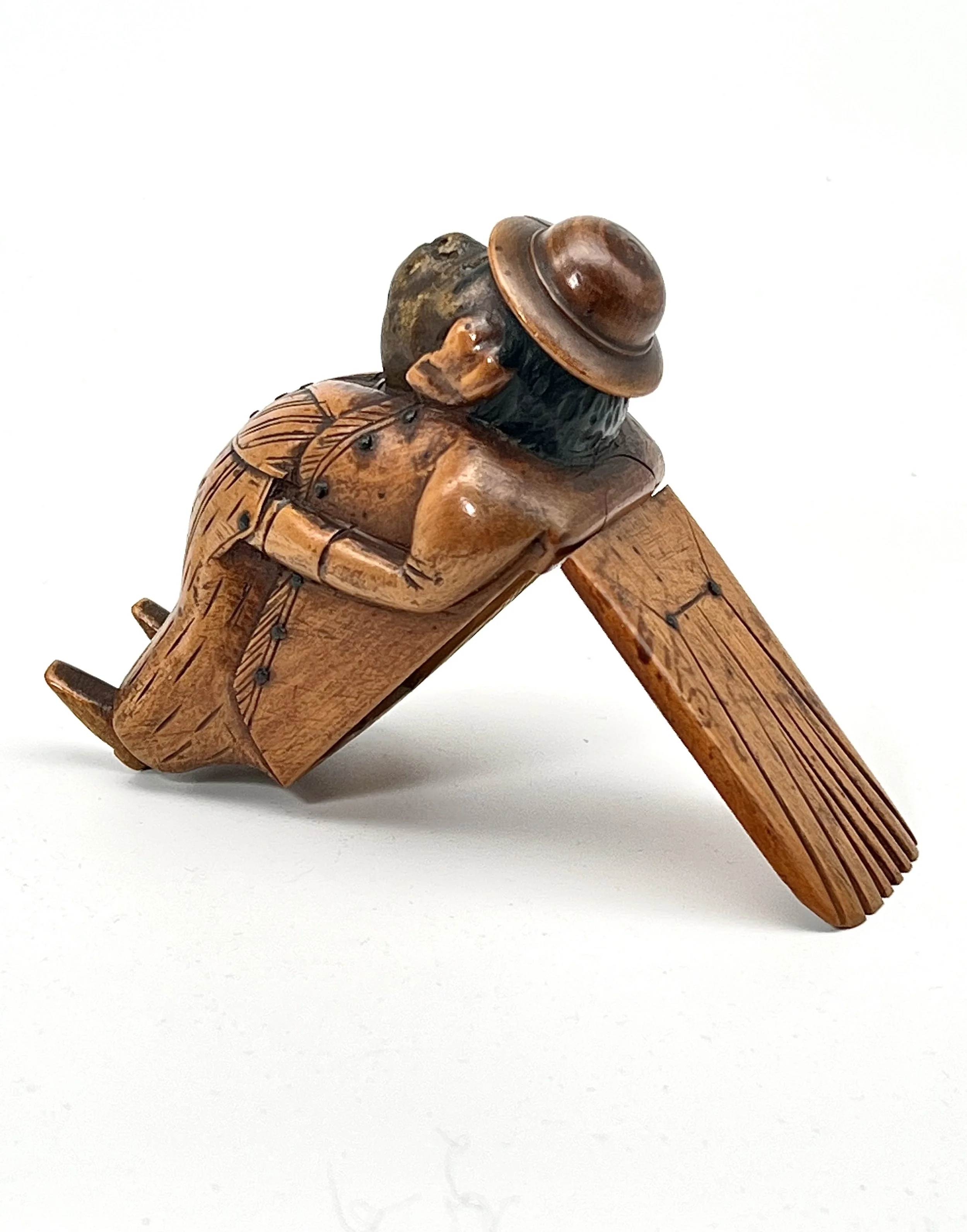 Image 2 of 10
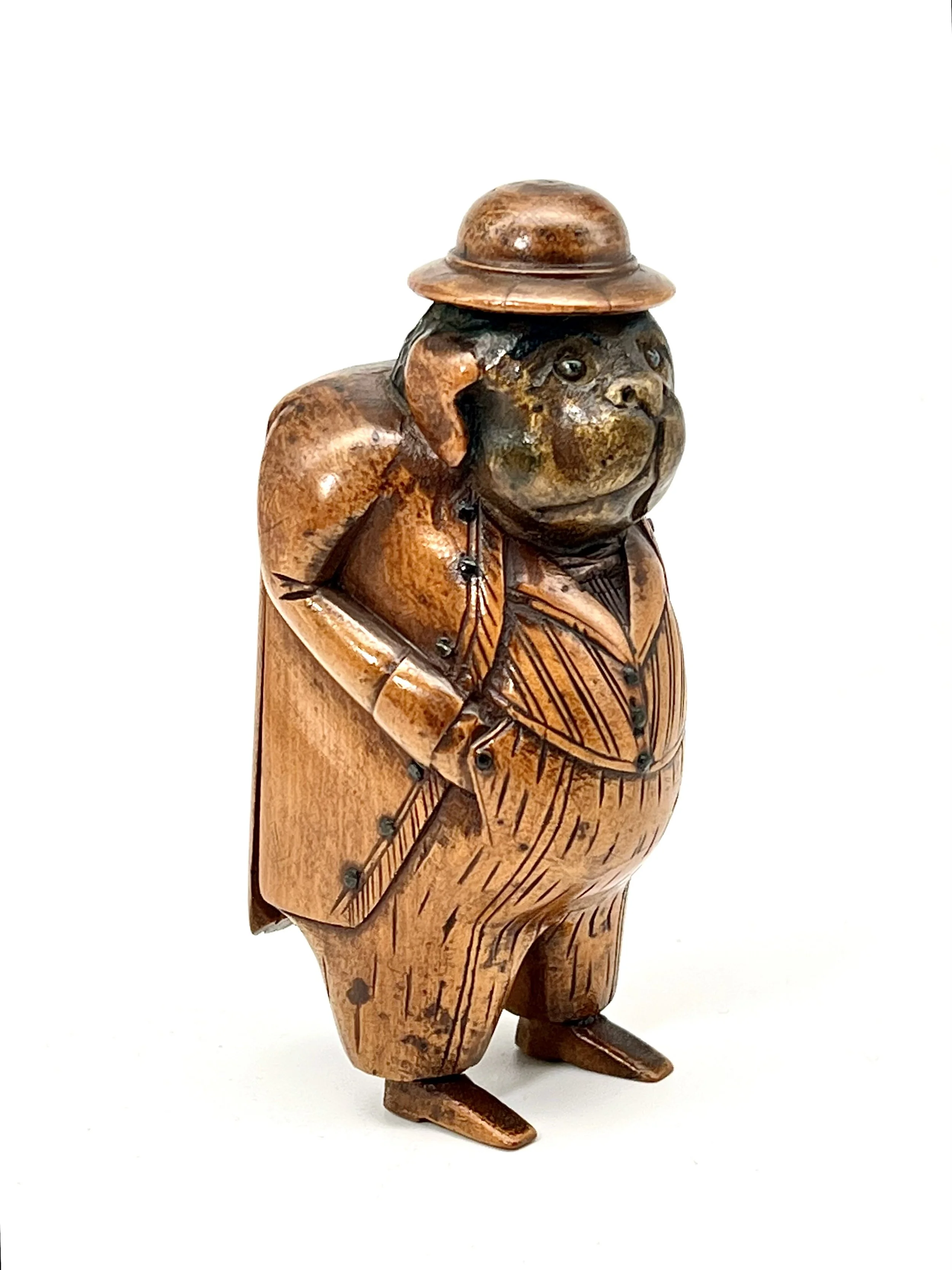 Image 3 of 10
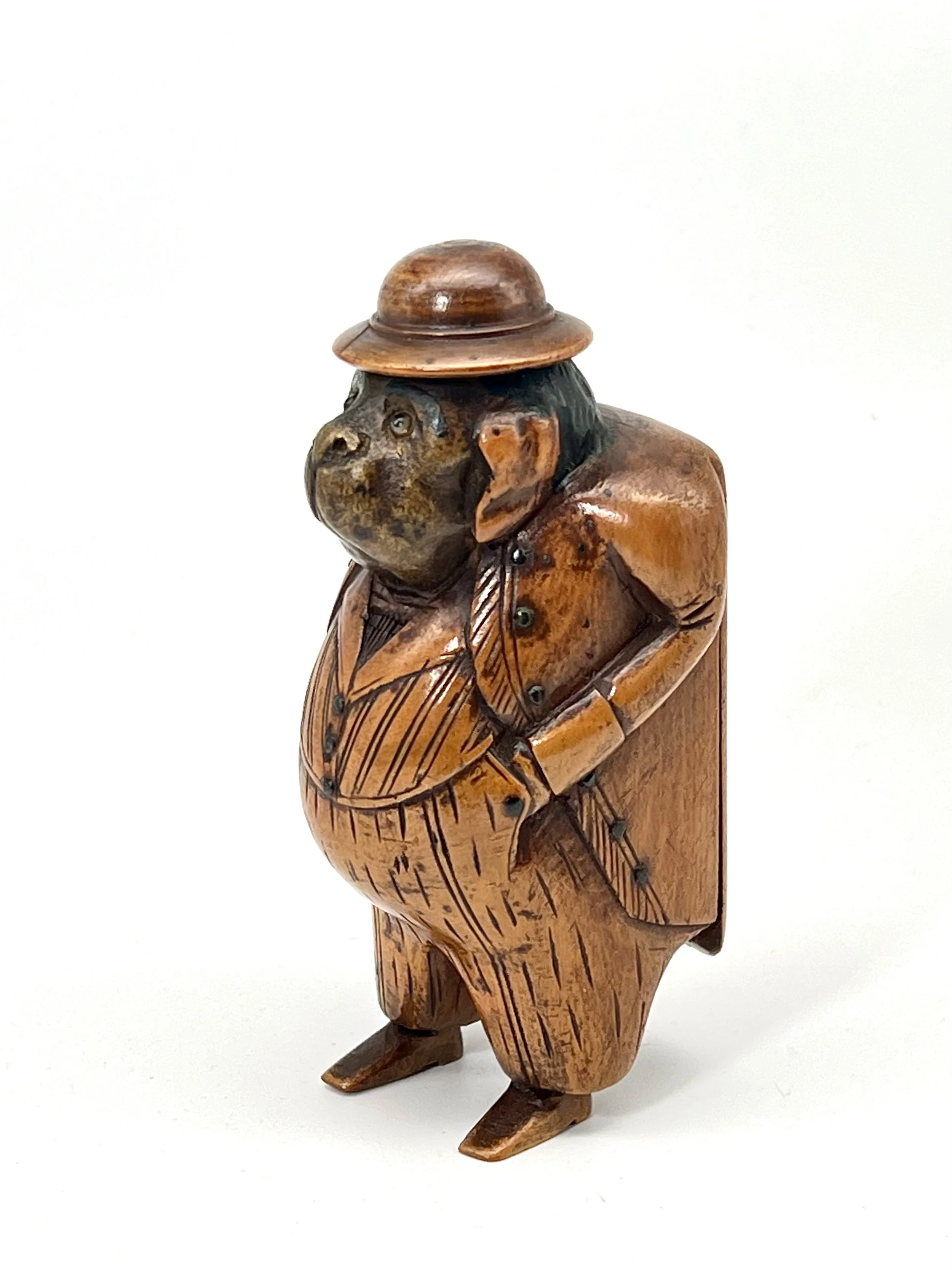 Image 4 of 10
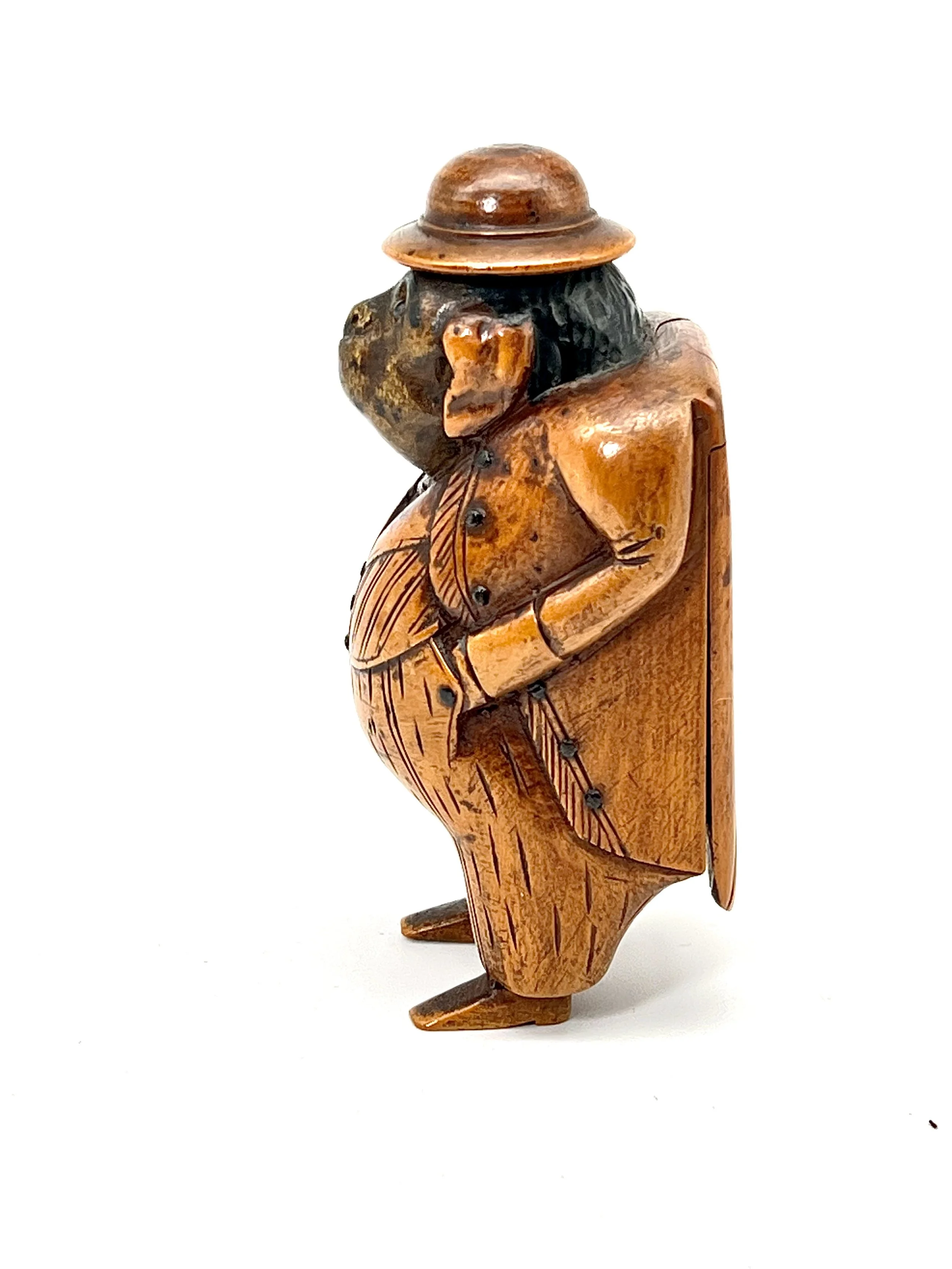 Image 5 of 10
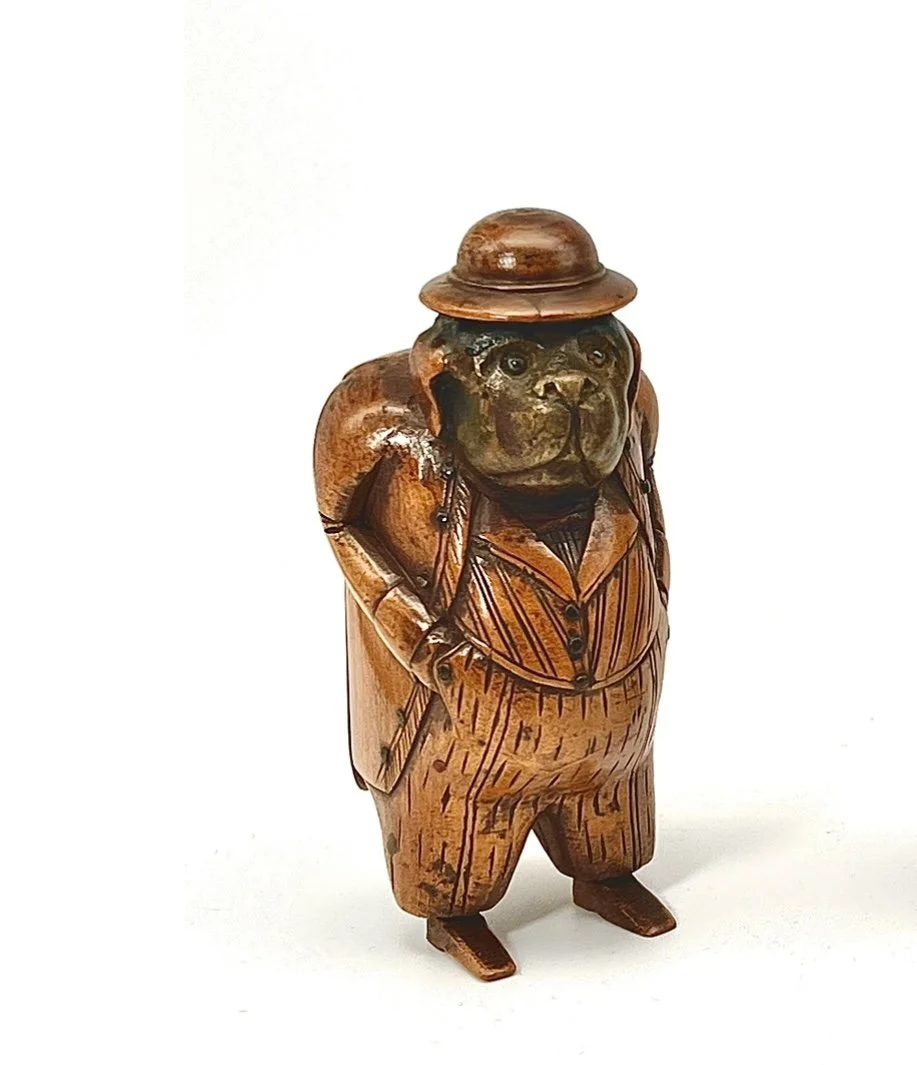 Image 6 of 10
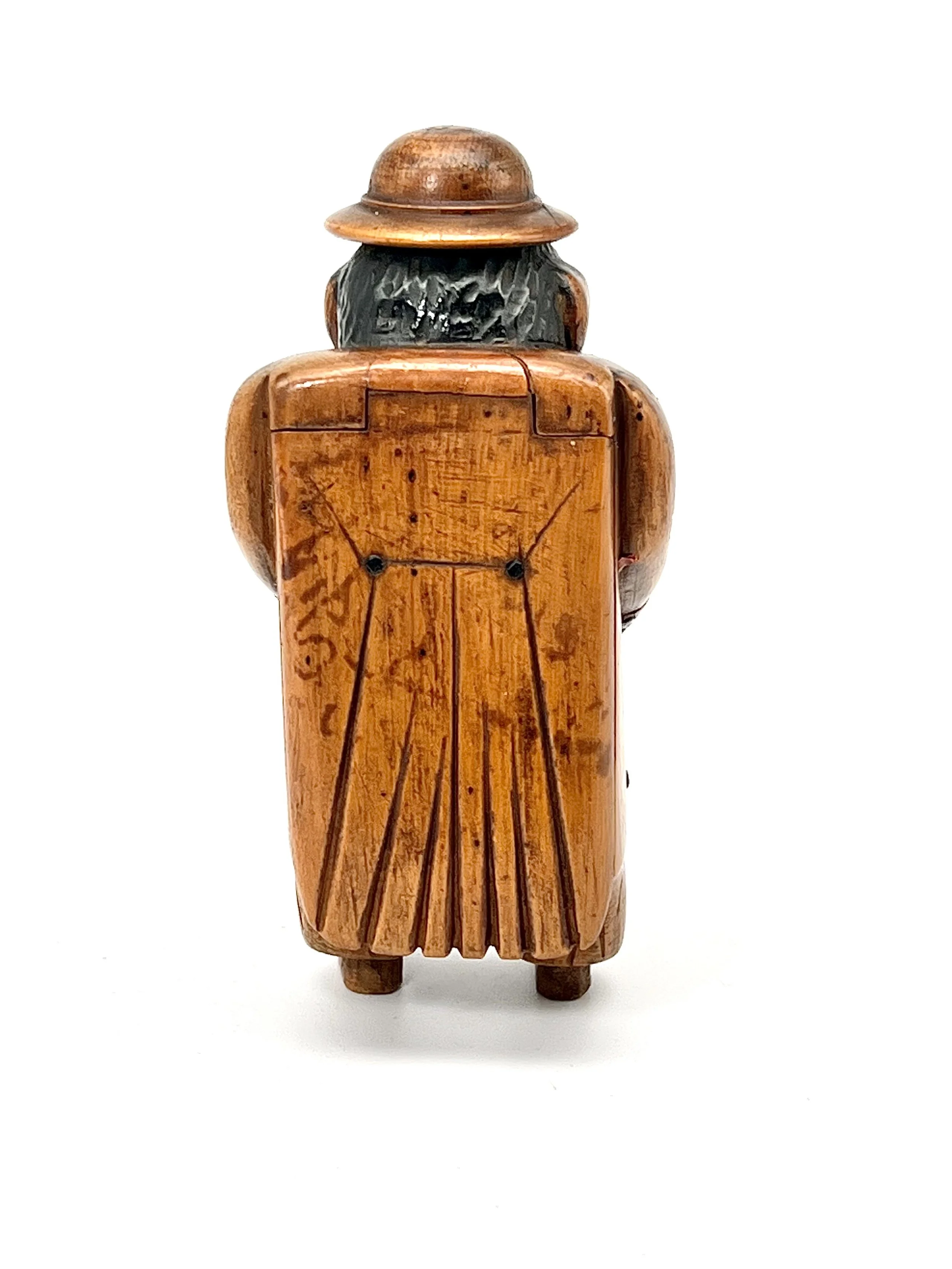 Image 7 of 10
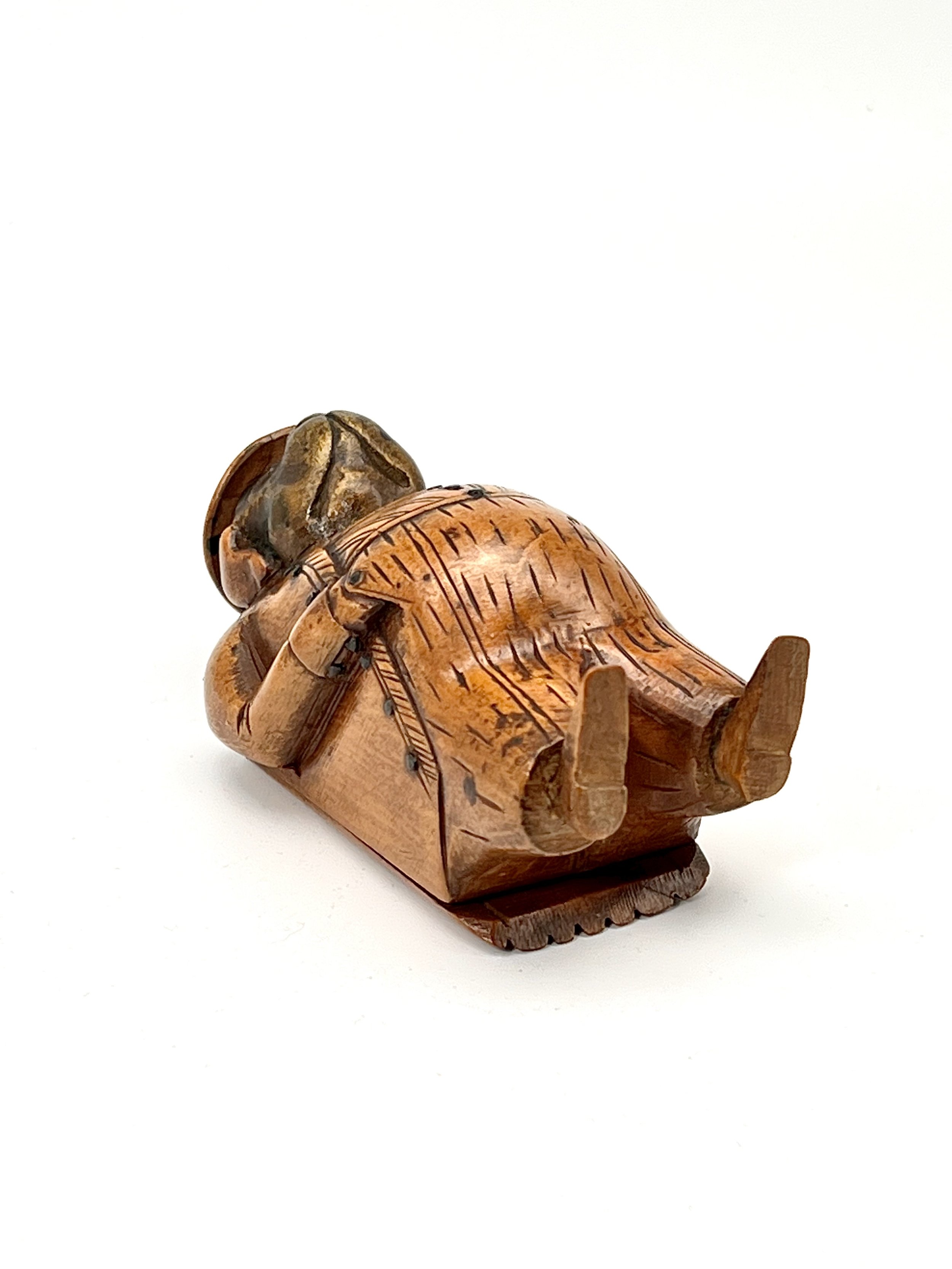 Image 8 of 10
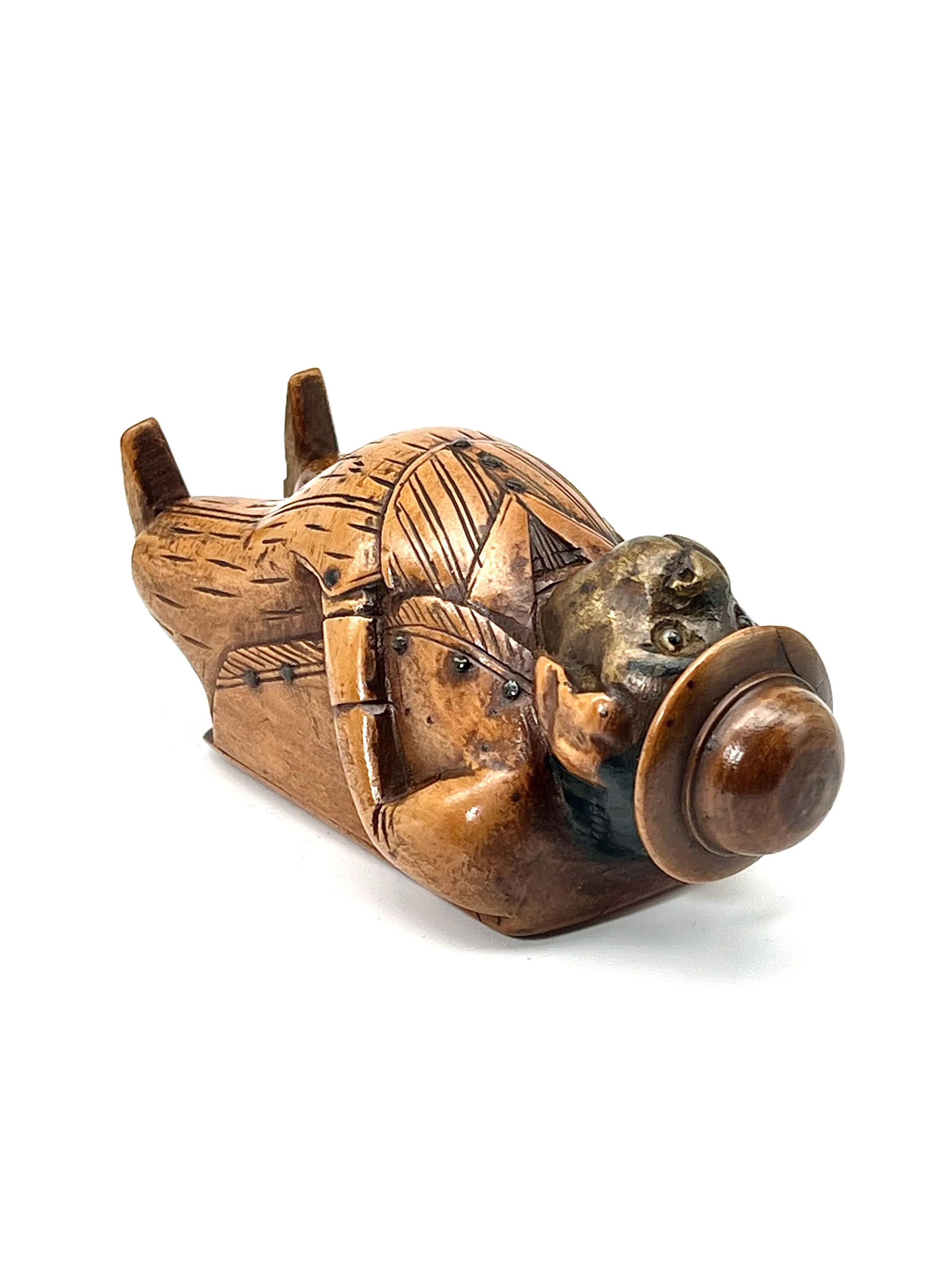 Image 9 of 10
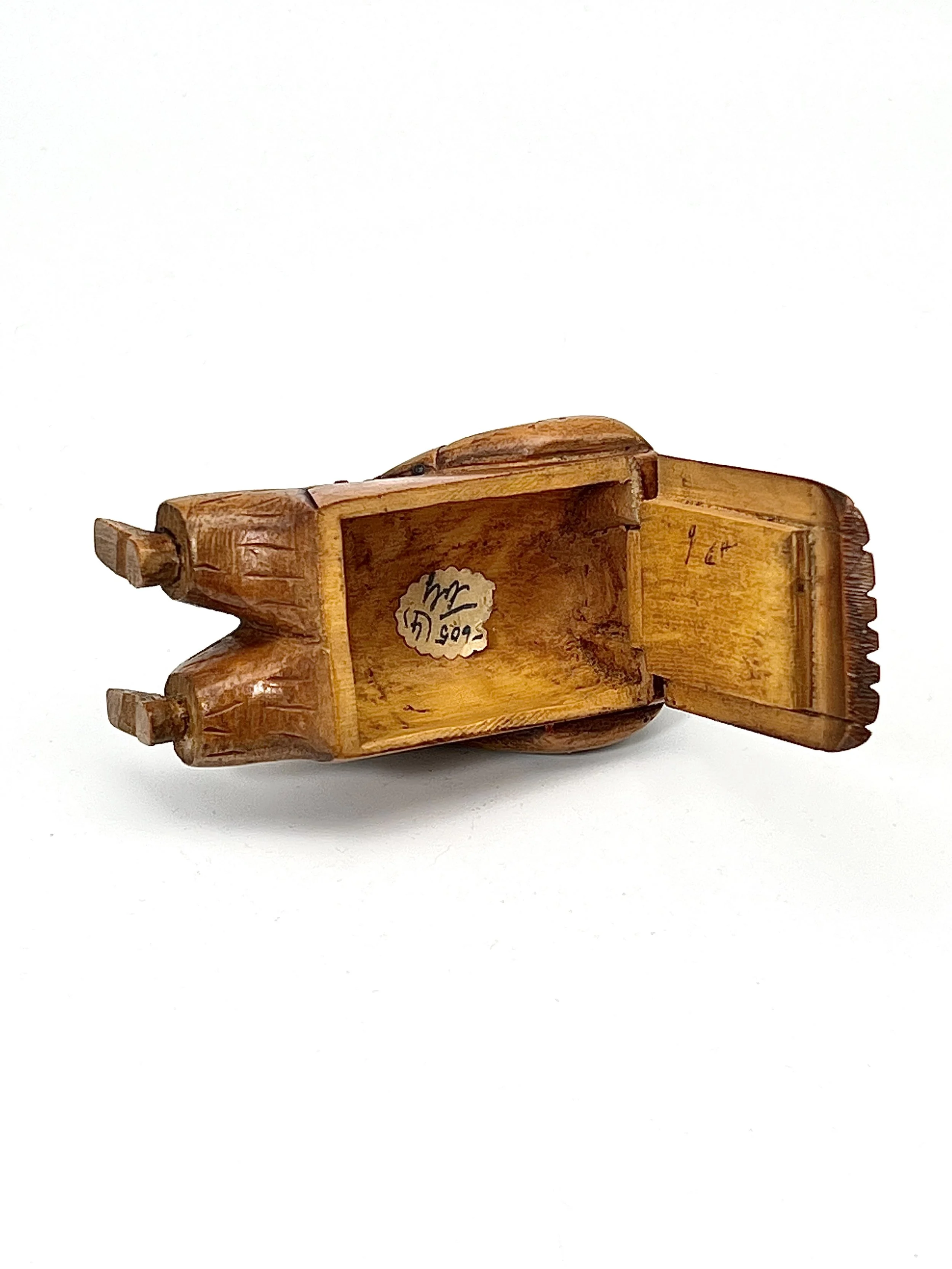 Image 10 of 10