Exceptional Welsh highly pierced “Love Spoon” showing a double bowl and two ring ‘hinged’ section.
Thought to be from the Pembrokeshire area. Other similar examples exist and have been sold at auction. Two in the 4th slide making £3680 and £3910 at Sotheby’s Mariam Park in 1999 (not hinged with rings)
This spoon is 22 inches long and displays magnificently as can be seen in slide 3. It has been carved from a solid plank of Applewood and has a wonderful colour and patination.
An extremely Rare and highly sought after example of Welsh Spoon.
Circa 1830-50
According to Welsh folklore, these ornately carved spoons were traditionally made from a single piece of wood by young men as a love token for their sweethearts. to show his affection and intentions for his loved one.
The earliest surviving example, displayed in the Welsh Folk museum in Cardiff, is dated around 1667, although the tradition probably dates back long before that.
The love spoon originated from the “cawl” (soup) spoon. Over generations decorative carvings were added to the spoon and it lost it’s original practical use and became a treasured decorative item that would be hung proudly on a wall. Over decades certain symbols came to have different meanings, (see the list below).
Sailors would often carve love spoons during their long journeys, which is why anchors would often be incorporated.
Today, love spoons are requested from all over the world. They are given as gifts for weddings, engagements, christenings, birthdays and anniversaries or as a love token and as a souvenir from Wales.
Although the Welsh lovespoon is the most famous there are also traditions of lovespoons in Scandinavia and some parts of Eastern Europe, which have their own unique styles and techniques.
Exceptional Welsh highly pierced “Love Spoon” showing a double bowl and two ring ‘hinged’ section.
Thought to be from the Pembrokeshire area. Other similar examples exist and have been sold at auction. Two in the 4th slide making £3680 and £3910 at Sotheby’s Mariam Park in 1999 (not hinged with rings)
This spoon is 22 inches long and displays magnificently as can be seen in slide 3. It has been carved from a solid plank of Applewood and has a wonderful colour and patination.
An extremely Rare and highly sought after example of Welsh Spoon.
Circa 1830-50
According to Welsh folklore, these ornately carved spoons were traditionally made from a single piece of wood by young men as a love token for their sweethearts. to show his affection and intentions for his loved one.
The earliest surviving example, displayed in the Welsh Folk museum in Cardiff, is dated around 1667, although the tradition probably dates back long before that.
The love spoon originated from the “cawl” (soup) spoon. Over generations decorative carvings were added to the spoon and it lost it’s original practical use and became a treasured decorative item that would be hung proudly on a wall. Over decades certain symbols came to have different meanings, (see the list below).
Sailors would often carve love spoons during their long journeys, which is why anchors would often be incorporated.
Today, love spoons are requested from all over the world. They are given as gifts for weddings, engagements, christenings, birthdays and anniversaries or as a love token and as a souvenir from Wales.
Although the Welsh lovespoon is the most famous there are also traditions of lovespoons in Scandinavia and some parts of Eastern Europe, which have their own unique styles and techniques.
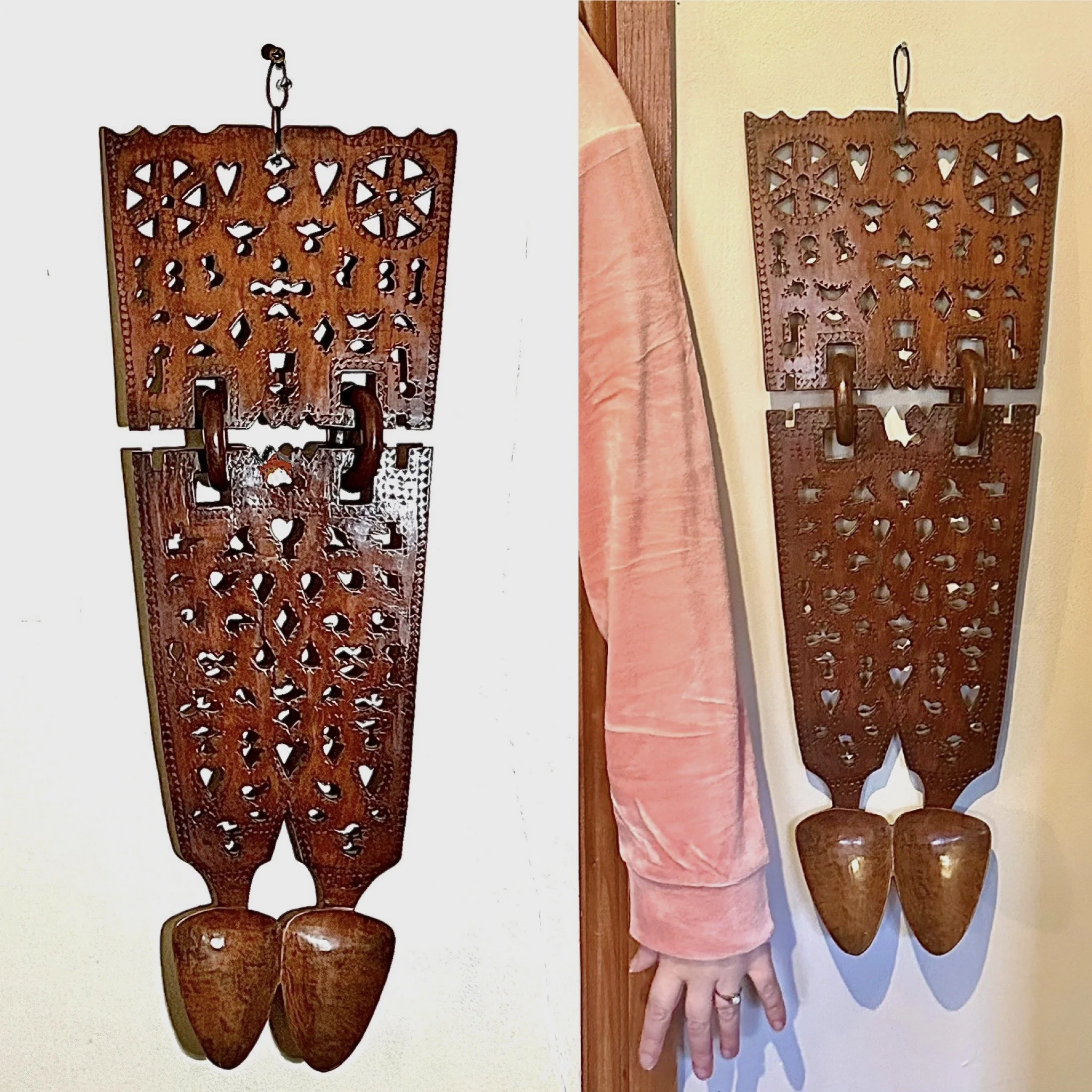 Image 1 of 8
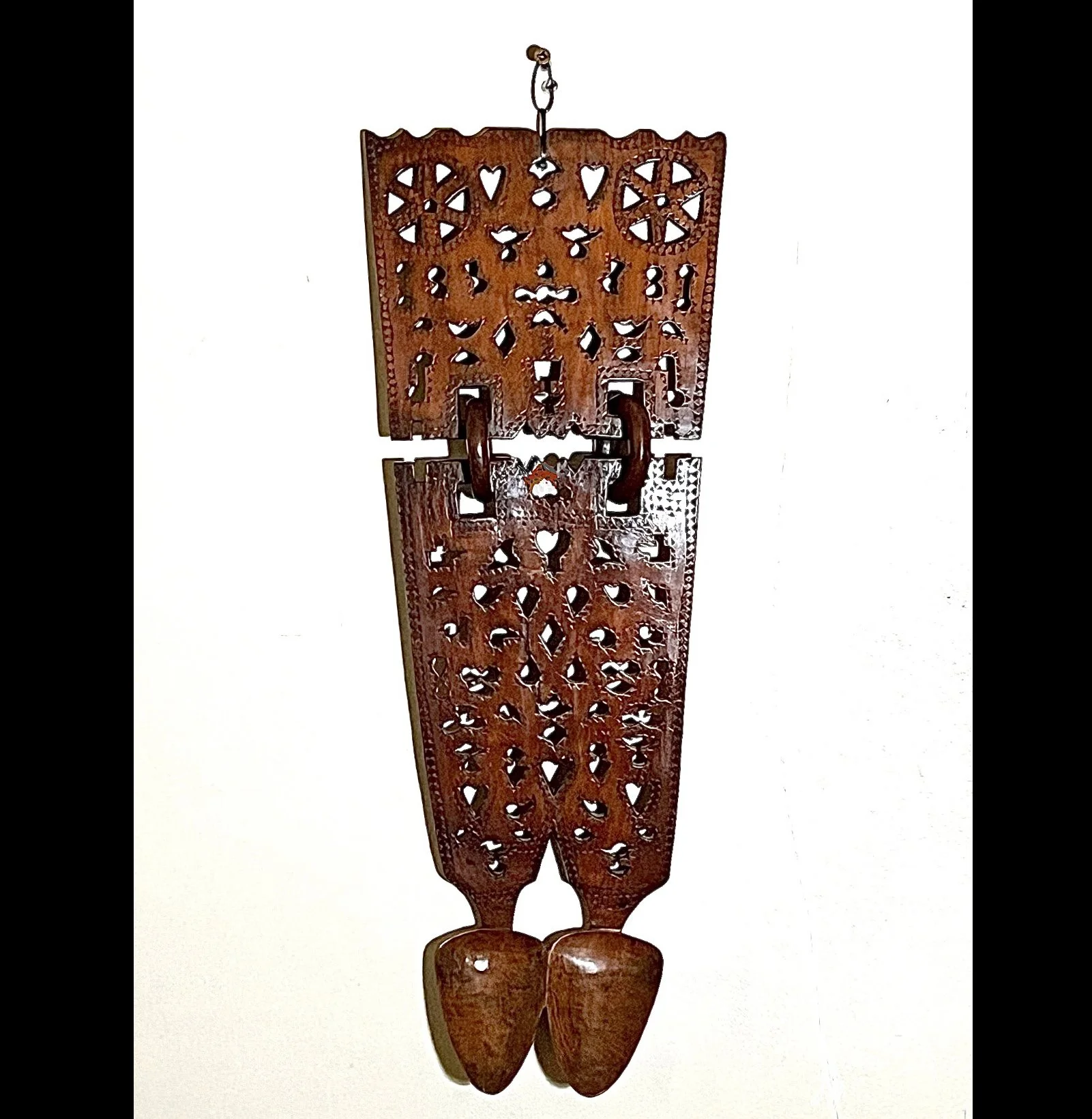 Image 2 of 8
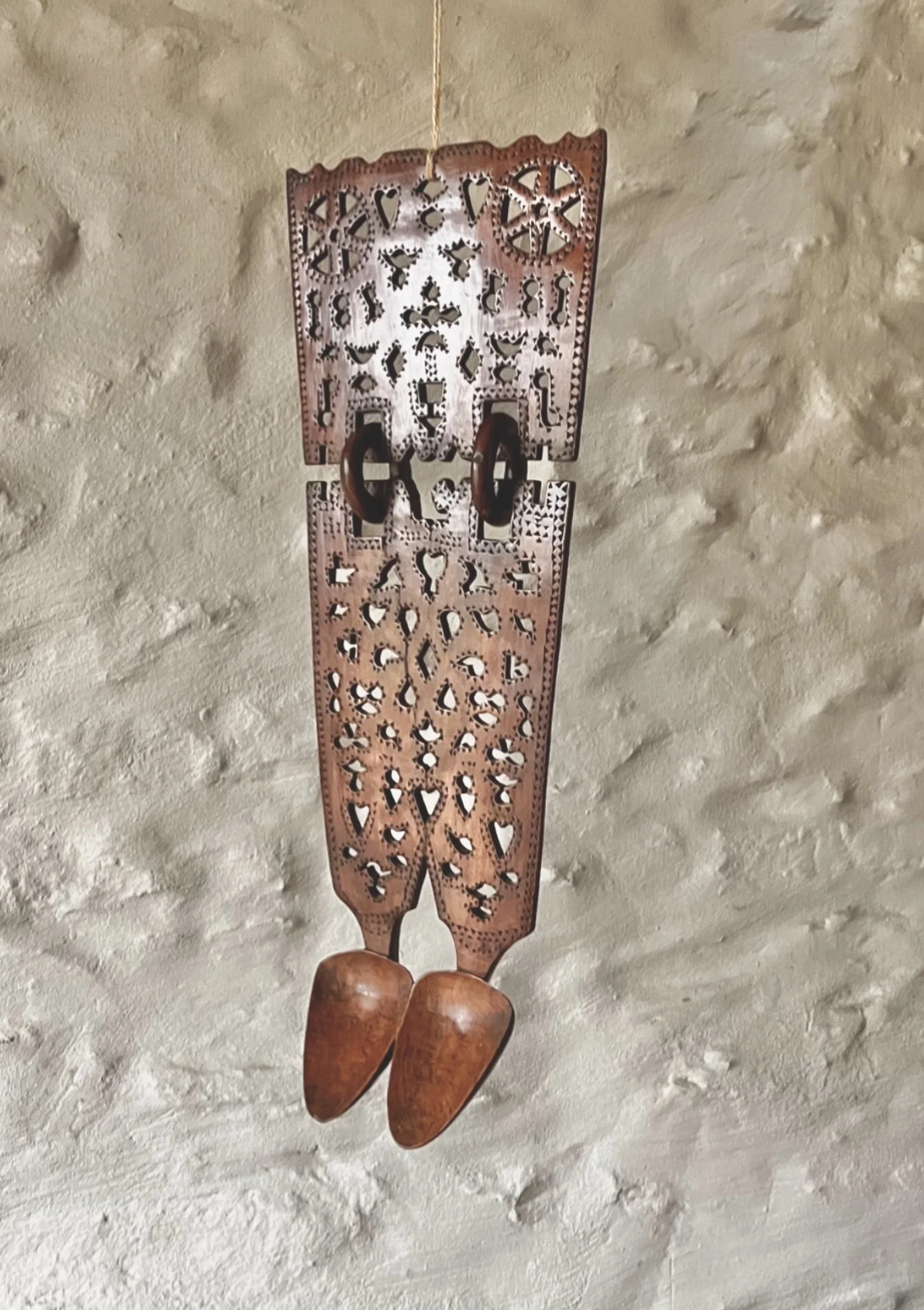 Image 3 of 8
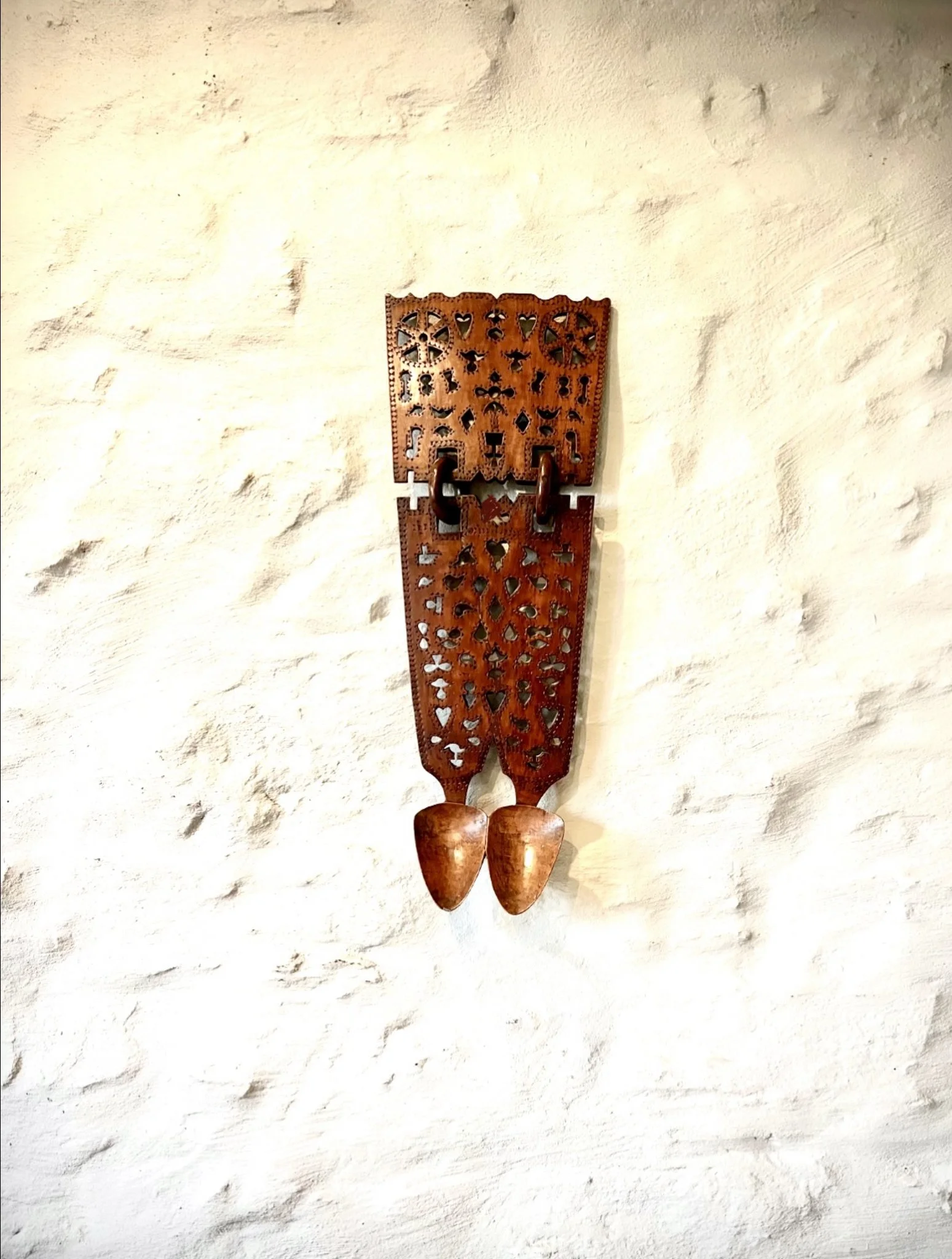 Image 4 of 8
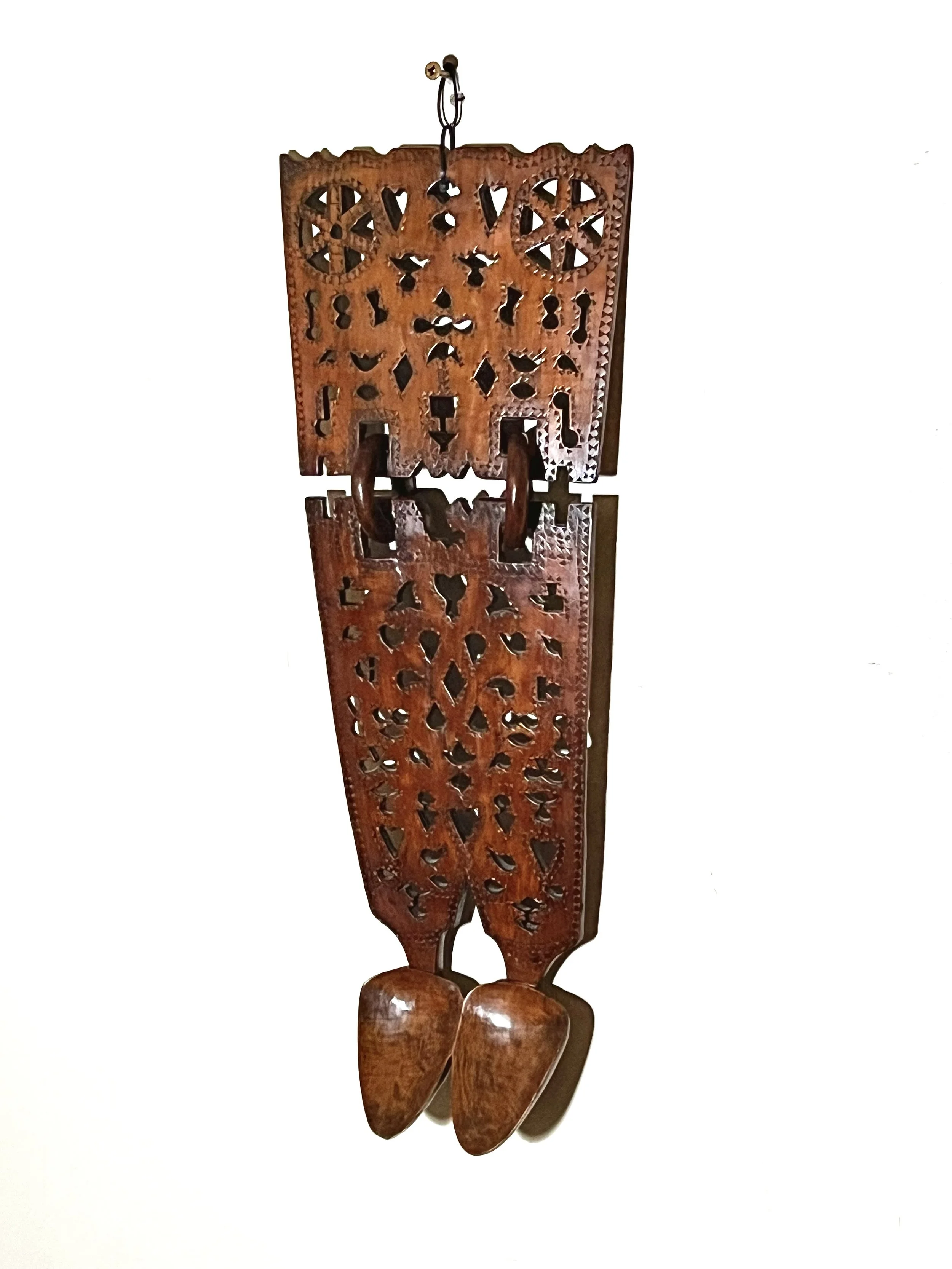 Image 5 of 8
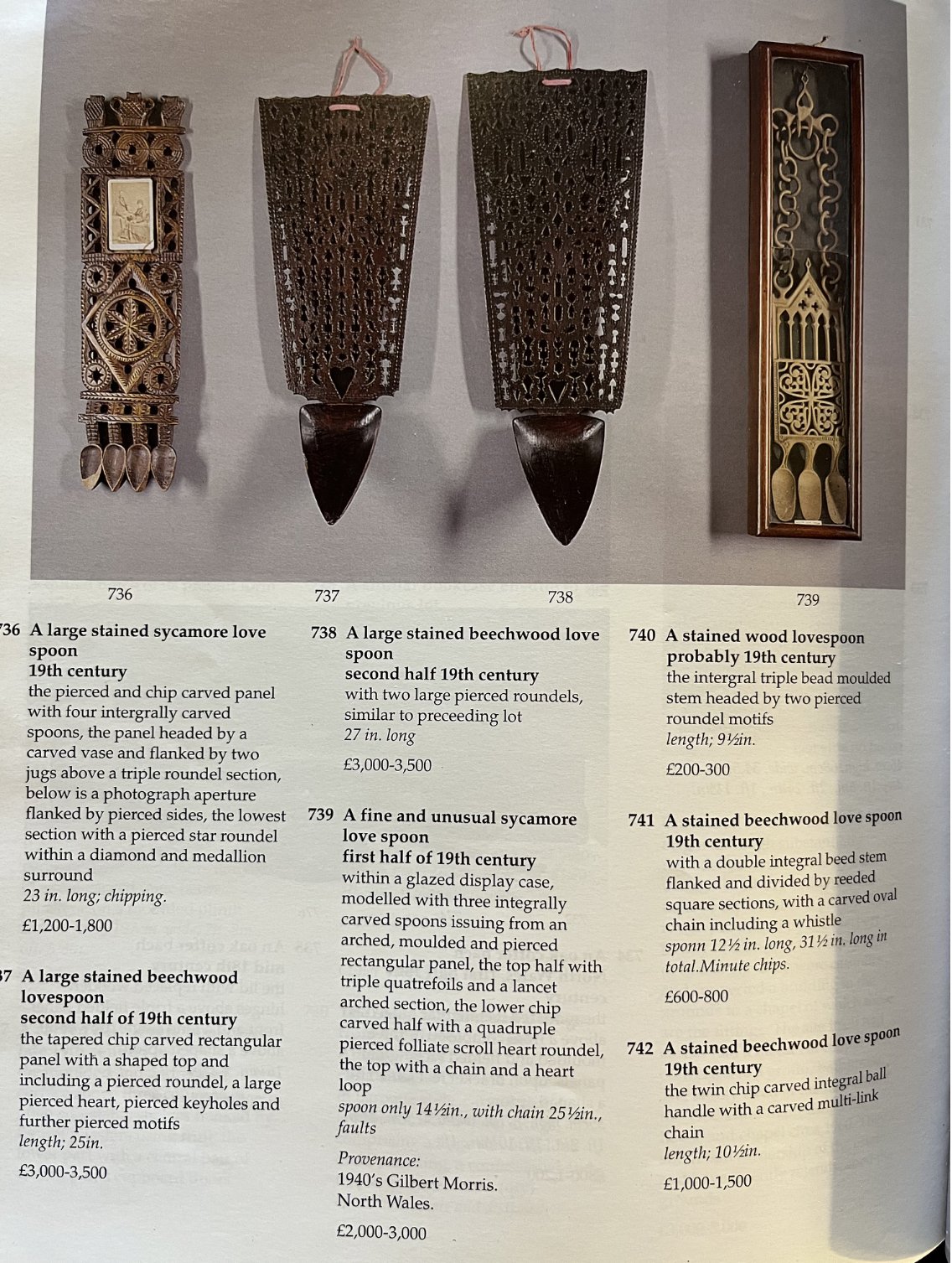 Image 6 of 8
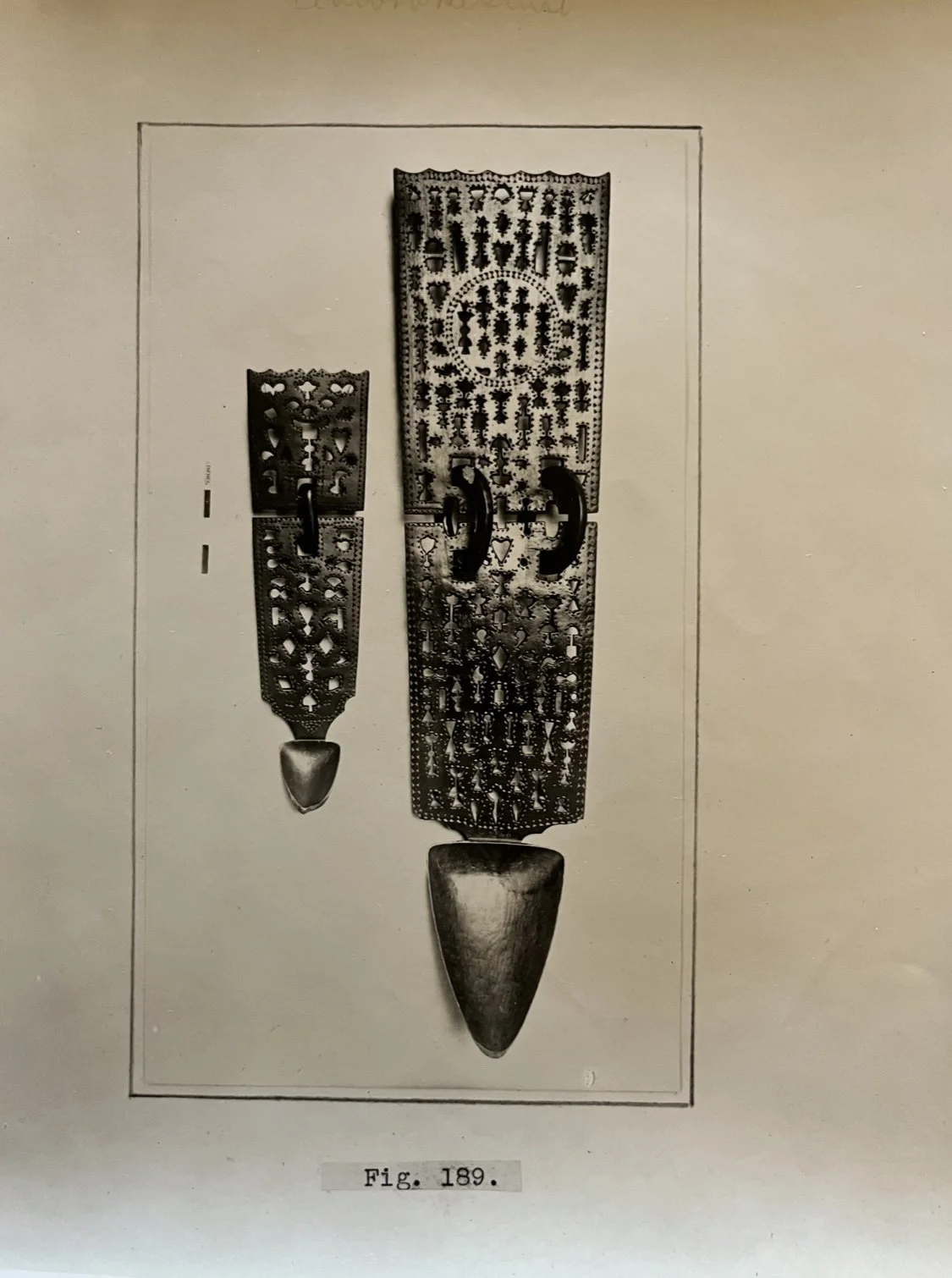 Image 7 of 8
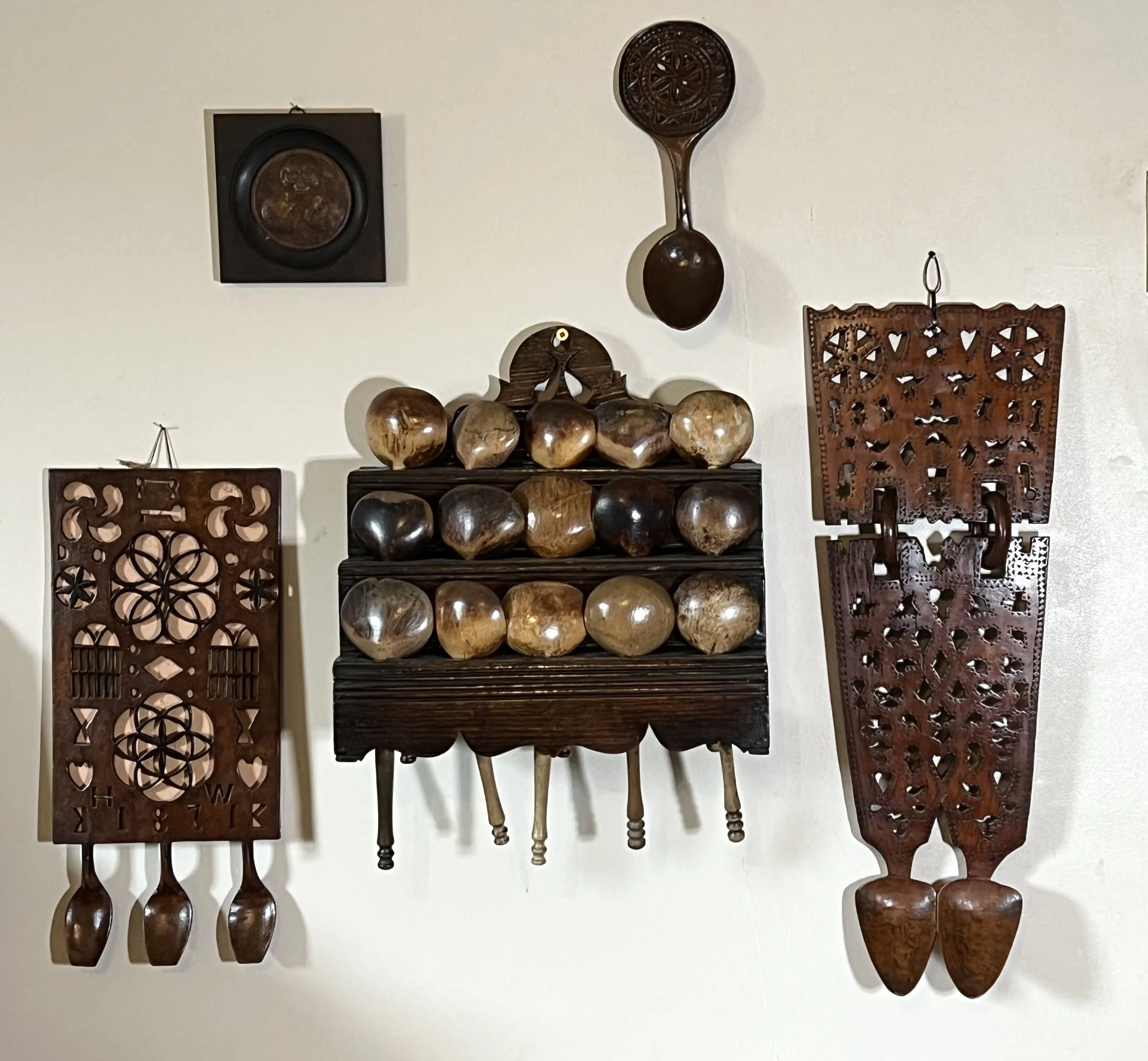 Image 8 of 8