Amazing Early 20th century “Compagnon Du Devoir ”Demi-Dome Architectural Staircase……
Miniature staircase models originated in a French guild system known as “compagnonnage,” (COMPAGNON DU DEVOIR) especially during the 17th to 19th centuries. The staircases were the culminating project of an apprenticeship in order to be accepted into the guild as a master craftsman, demonstrating the applicant’s virtuosity in woodworking and design. The Smithsonian Cooper-Hewitt, National Design Museum has a major collection of these, and featured them in the exhibition of staircases donated by Eugene and Clare Thaw, Made to Scale: Staircase Masterpieces in 2006-2007.
Miniature staircases were produced by architects and furniture makers as fanciful projects (often as apprentices or students), primarily in the 19th and 20th centuries. They were also made for staircase manufacturers as models in designing or patenting proposed structures, as well as salesman’s samples. Extant forms include spiral staircases as well as curved and rectilinear ones. They are sometimes embellished with other decoration such as balusters and railings, and sometimes incorporated with or in elaborate structures, such as pulpits or domes. Some are simply constructed and utilitarian, others have fine detailed construction and carvings. Generally they are made from various hardwoods such as oak, walnut, or mahogany. Some examples are also made out of metal, typically iron or steel.
This particular example is in excellent overall condition with a warm patination Circa 1920-30
Amazing Early 20th century “Compagnon Du Devoir ”Demi-Dome Architectural Staircase……
Miniature staircase models originated in a French guild system known as “compagnonnage,” (COMPAGNON DU DEVOIR) especially during the 17th to 19th centuries. The staircases were the culminating project of an apprenticeship in order to be accepted into the guild as a master craftsman, demonstrating the applicant’s virtuosity in woodworking and design. The Smithsonian Cooper-Hewitt, National Design Museum has a major collection of these, and featured them in the exhibition of staircases donated by Eugene and Clare Thaw, Made to Scale: Staircase Masterpieces in 2006-2007.
Miniature staircases were produced by architects and furniture makers as fanciful projects (often as apprentices or students), primarily in the 19th and 20th centuries. They were also made for staircase manufacturers as models in designing or patenting proposed structures, as well as salesman’s samples. Extant forms include spiral staircases as well as curved and rectilinear ones. They are sometimes embellished with other decoration such as balusters and railings, and sometimes incorporated with or in elaborate structures, such as pulpits or domes. Some are simply constructed and utilitarian, others have fine detailed construction and carvings. Generally they are made from various hardwoods such as oak, walnut, or mahogany. Some examples are also made out of metal, typically iron or steel.
This particular example is in excellent overall condition with a warm patination Circa 1920-30
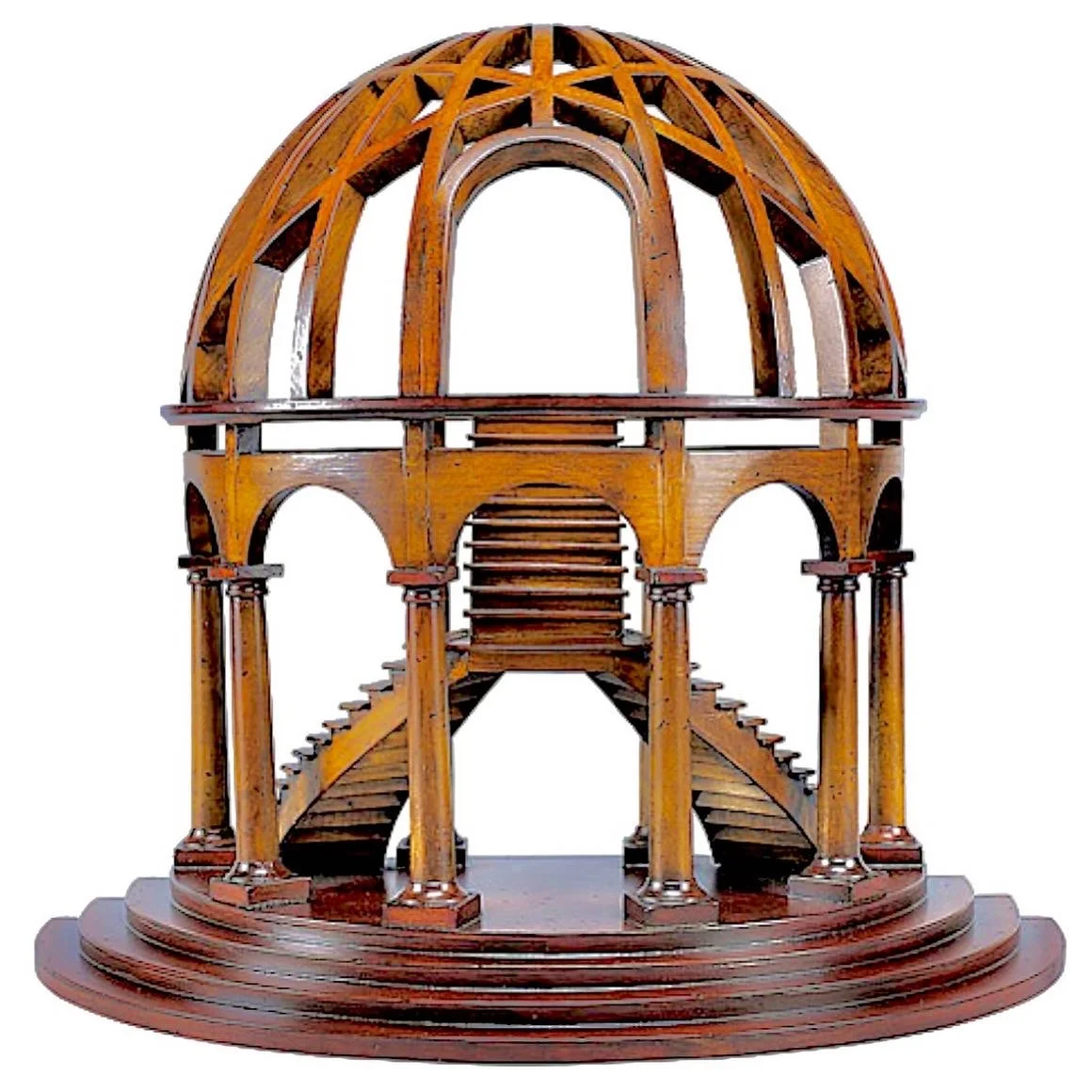 Image 1 of 10
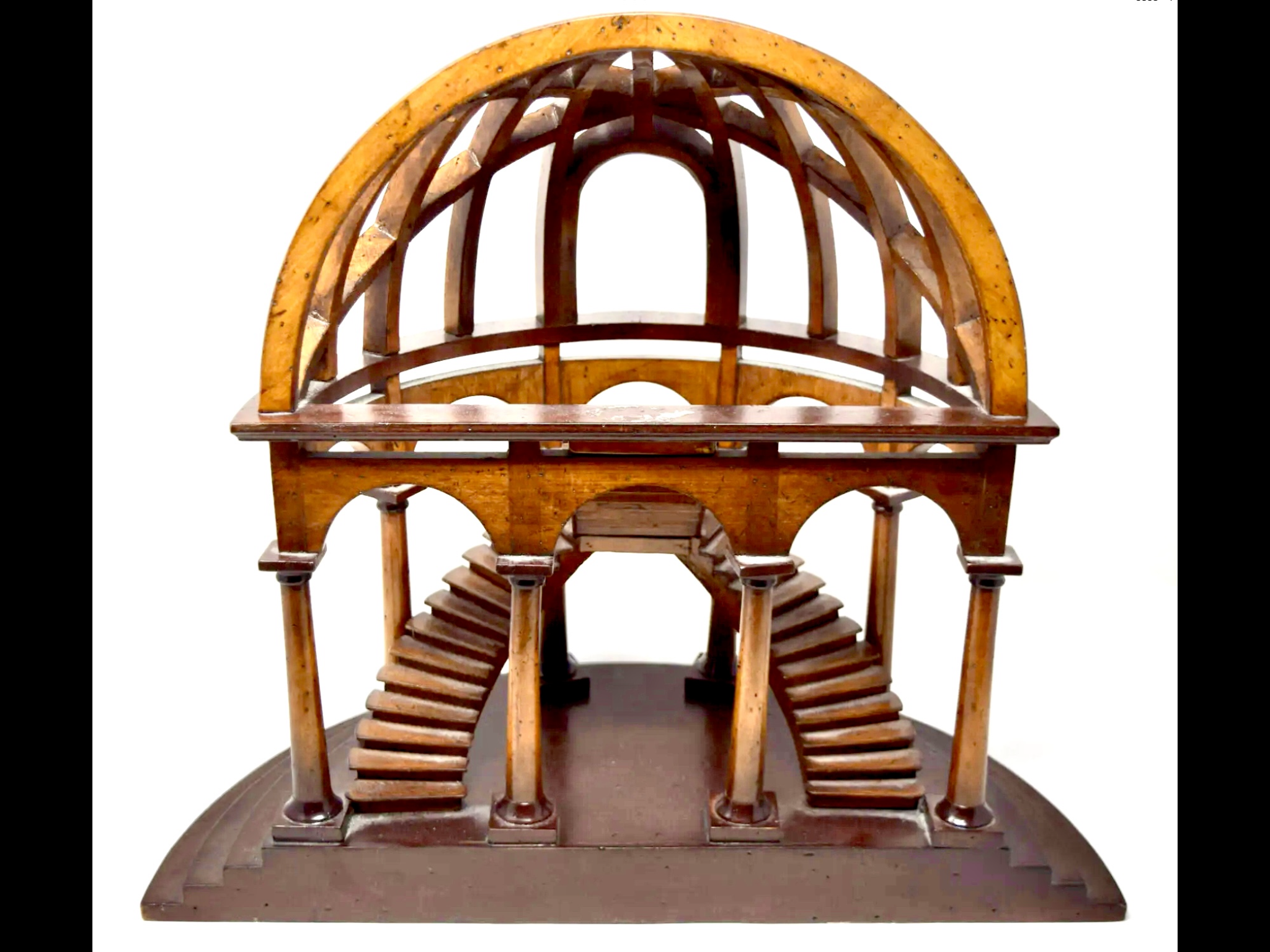 Image 2 of 10
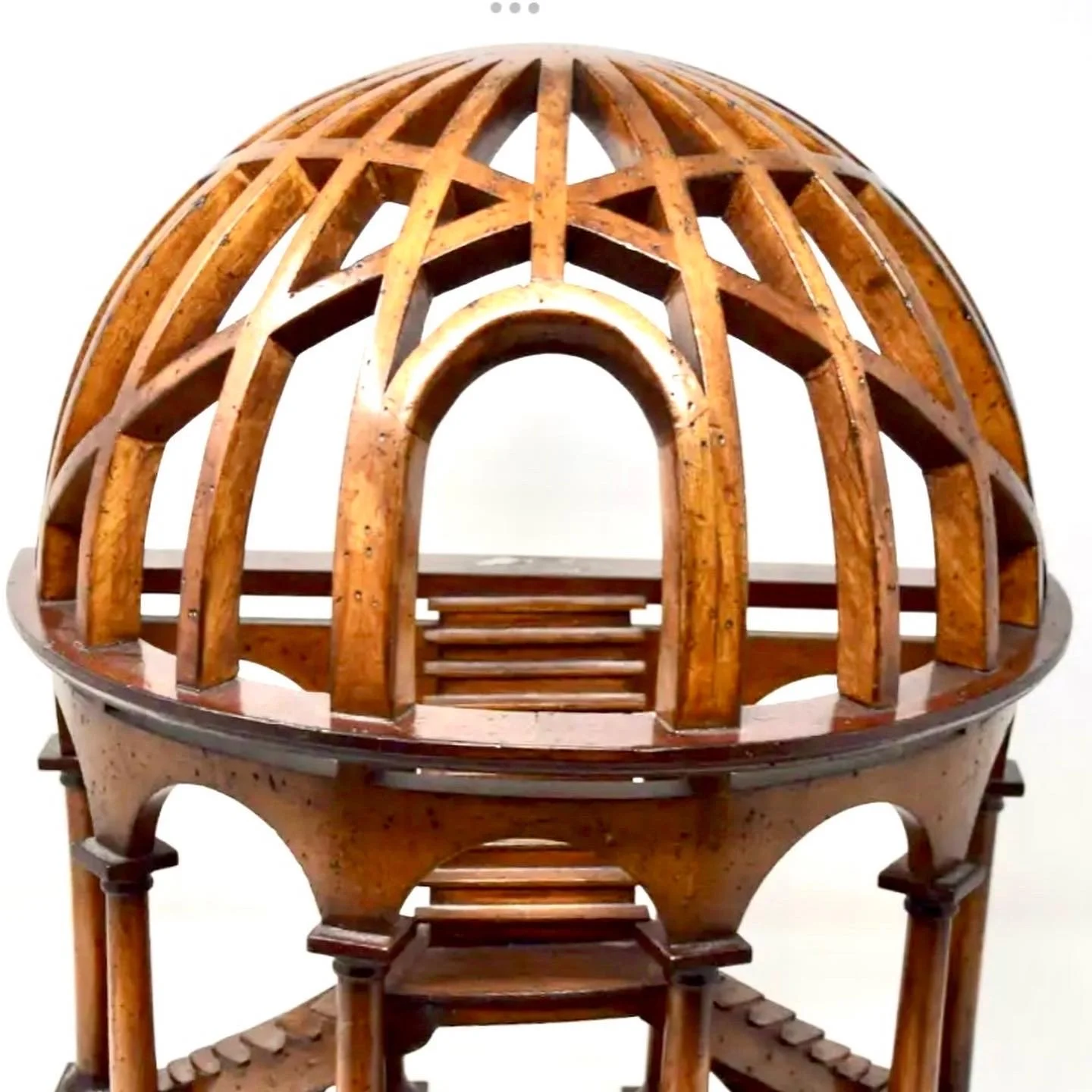 Image 3 of 10
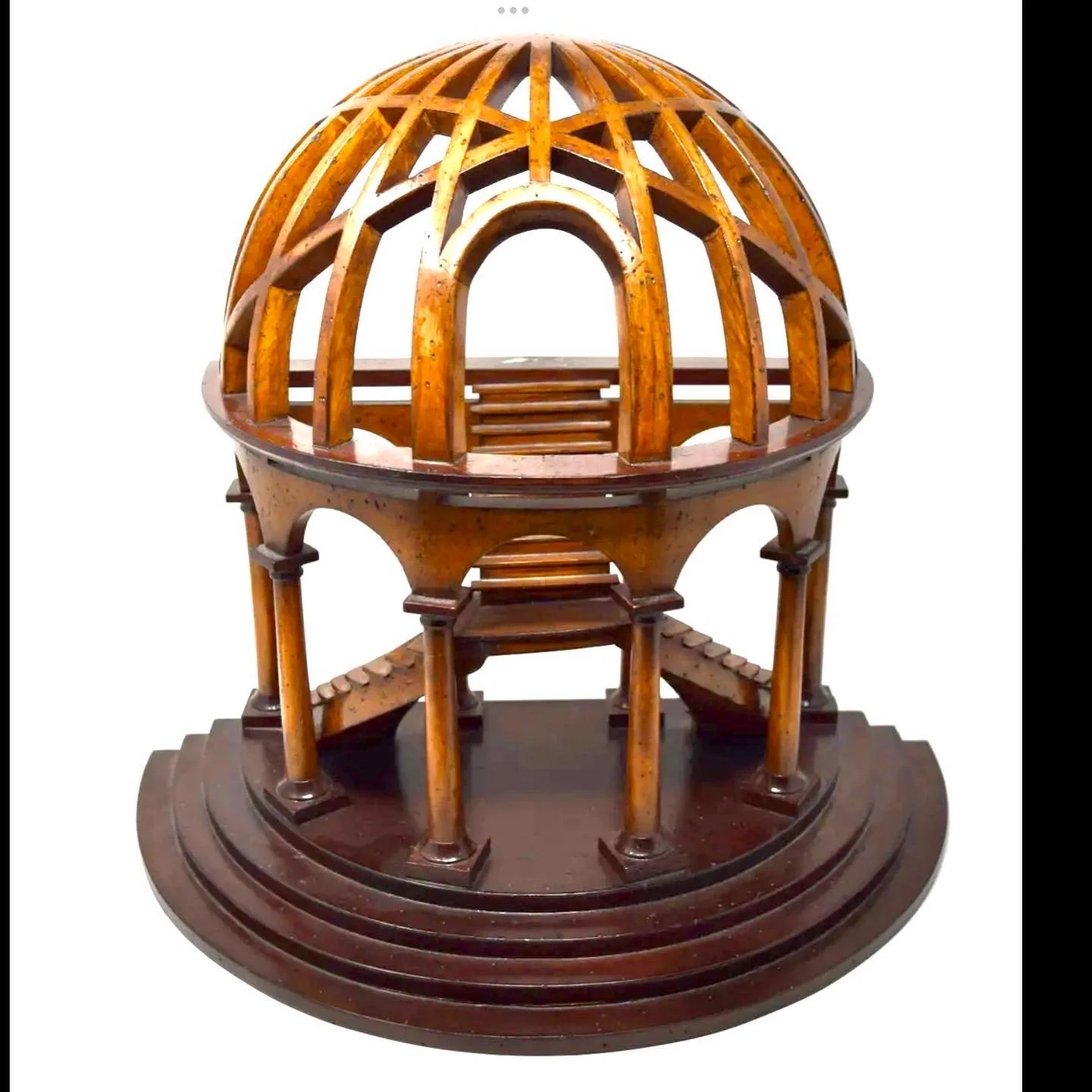 Image 4 of 10
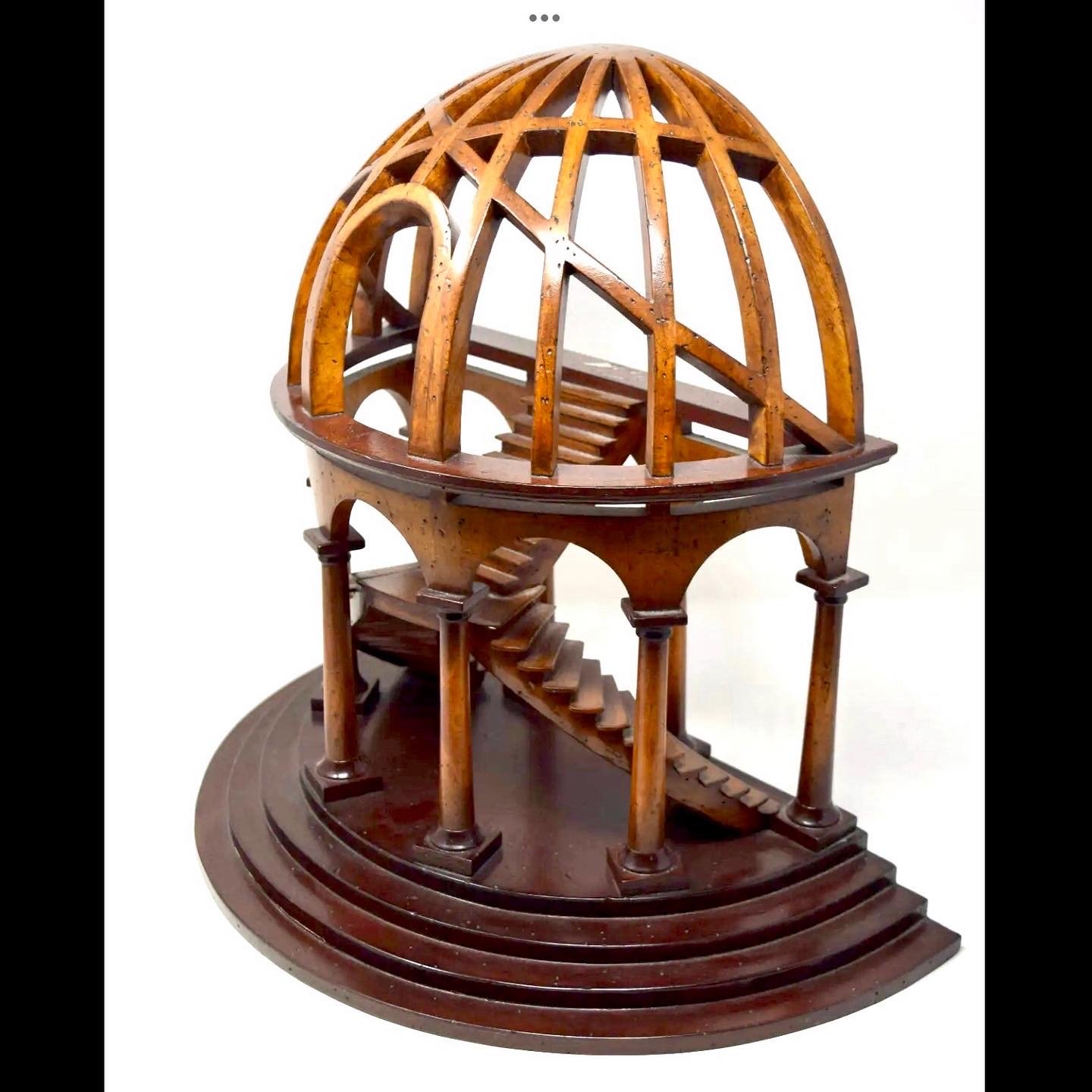 Image 5 of 10
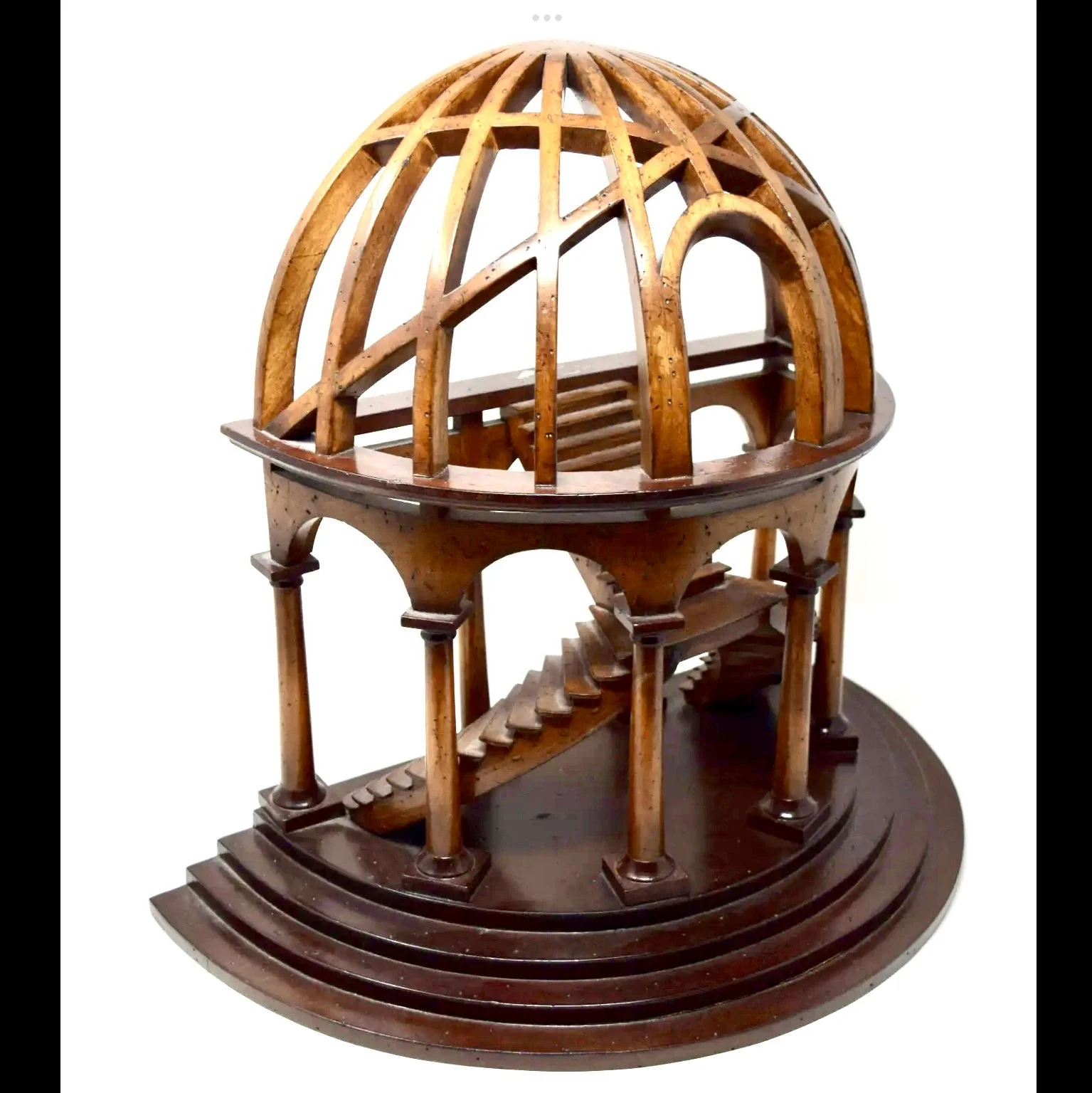 Image 6 of 10
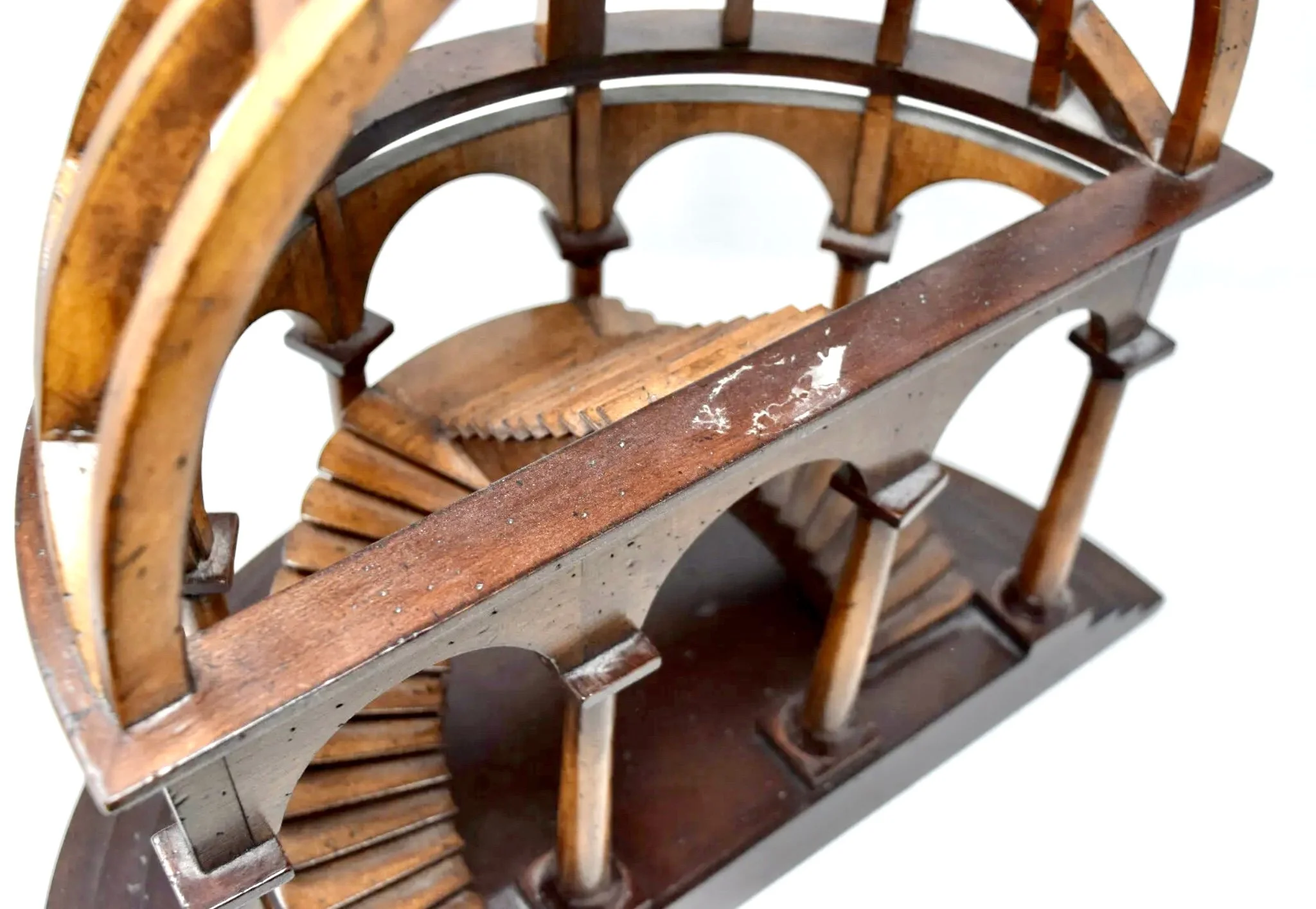 Image 7 of 10
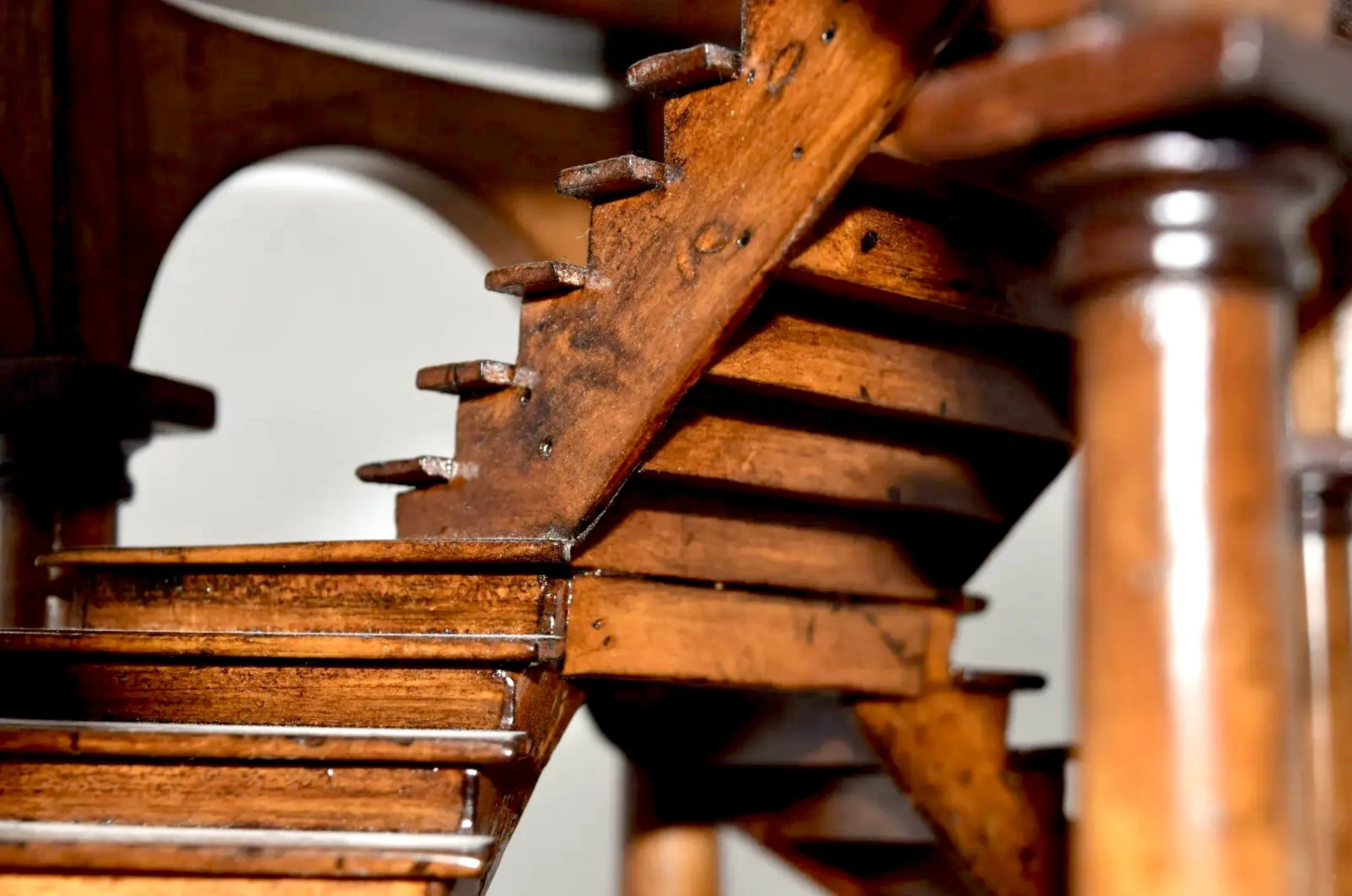 Image 8 of 10
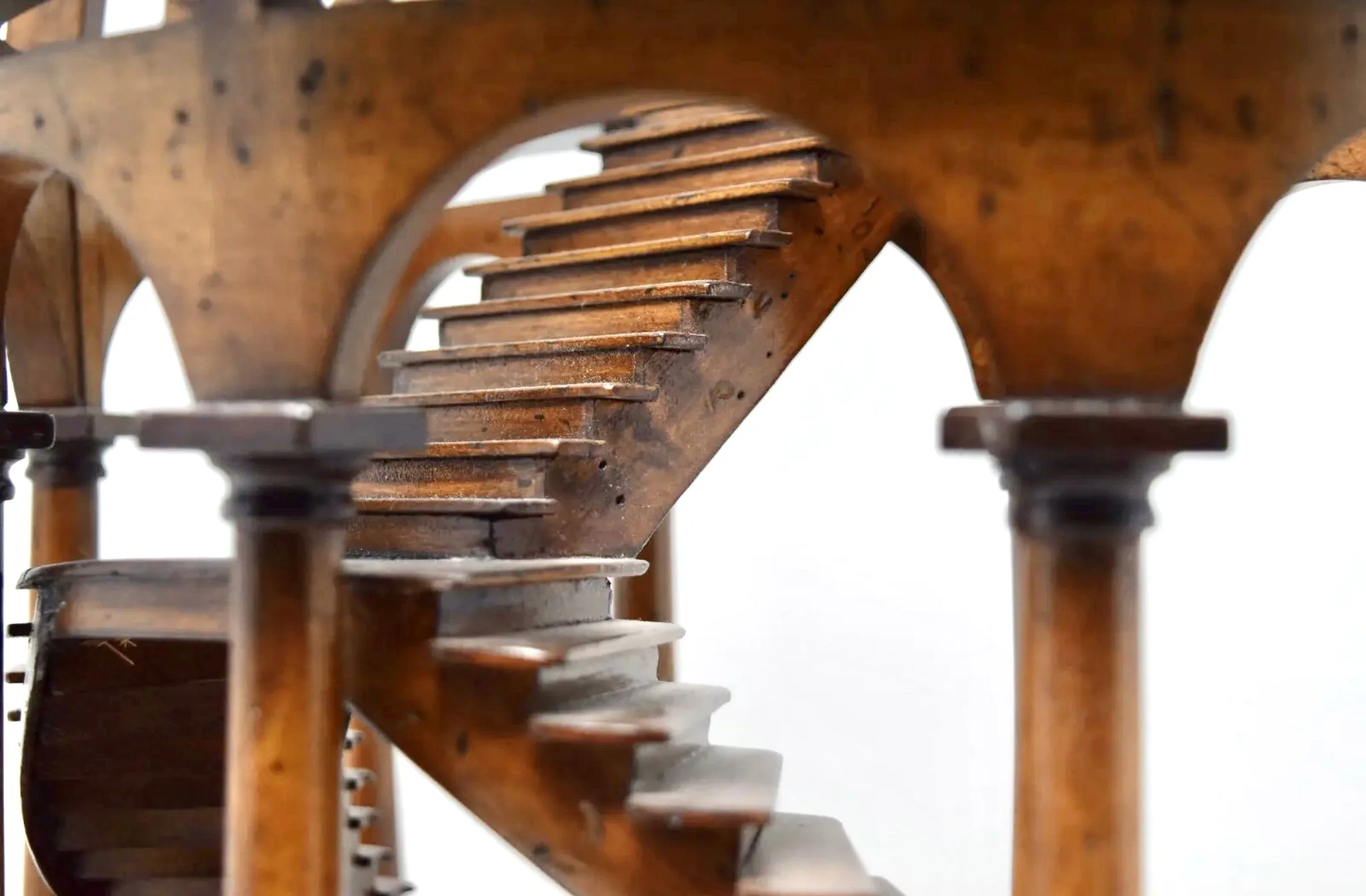 Image 9 of 10
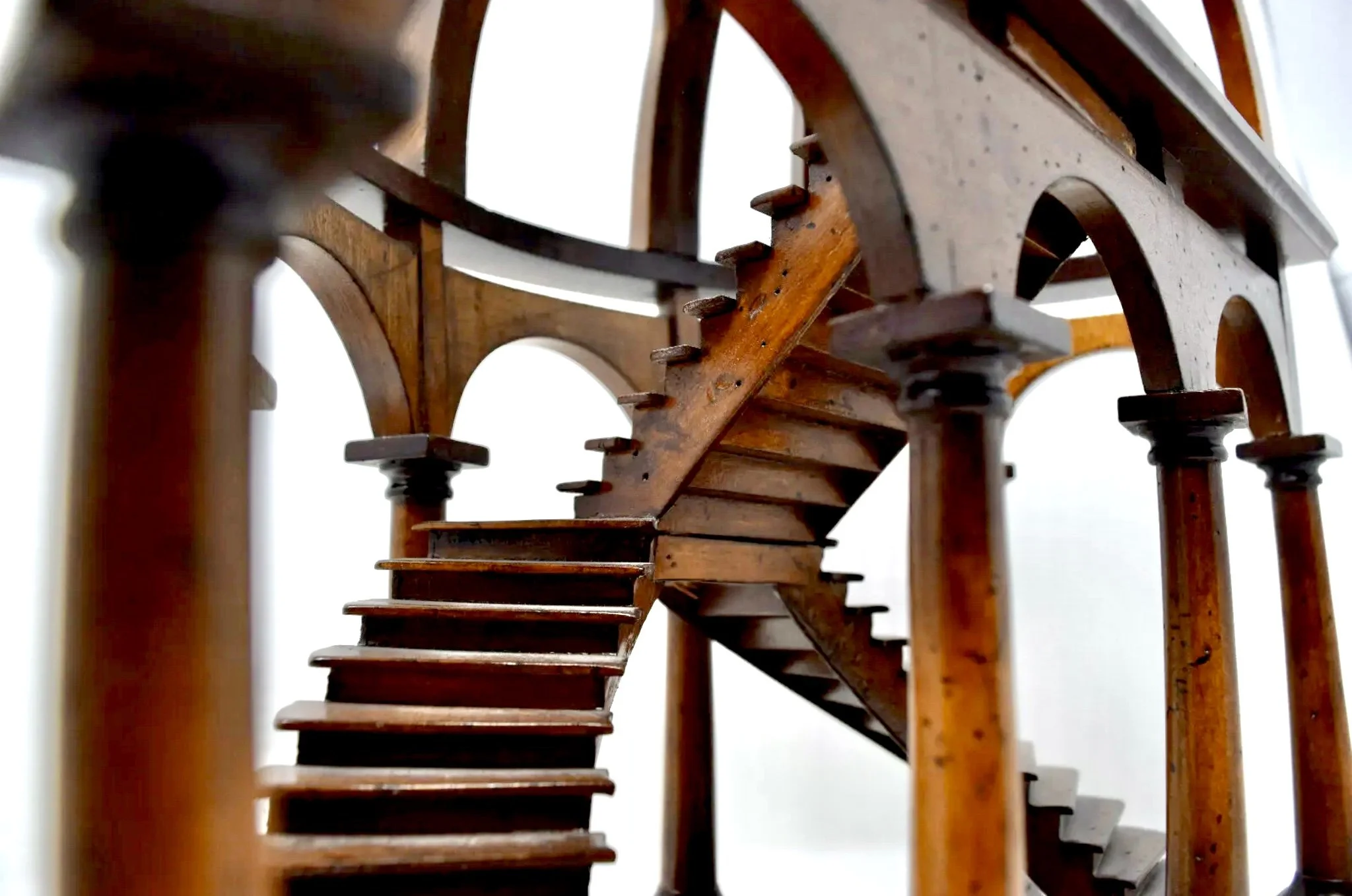 Image 10 of 10